

Economy | 31 October 2026
Money sent home by Moroccans abroad, spending by visitors and foreign investment all bring resources into Morocco. They do not tell the same economic story. Reading them as interchangeable measures of success can hide the difference between household support, payment for services and investment transactions.
The Office des Changes’ January-August 2026 indicators provide a useful common reporting period. Remittances from Moroccans living abroad reached MAD 89.215 billion, up 9% from a year earlier. Travel receipts were MAD 97.926 billion, up 9.7%. Net inward foreign direct investment was MAD 34.334 billion, up 65%. These are eight-month figures, not full-year results.
Remittances: a transfer is not a sale
The remittance total measures money transferred by Moroccans living abroad. It is not the turnover of Moroccan exporters, the revenue of hotels or an automatic measure of new productive investment.
The IMF’s balance-of-payments compilation guidance distinguishes transfers, travel spending and financial transactions. It also cautions that transactions involving people who migrate can take different forms. A family transfer and an investment by a member of the diaspora should not be assumed to be the same statistical item simply because both originate abroad.
For a household, a transfer can support spending or savings. The national total, however, does not reveal how much any particular family receives or how the money is used. A 9% aggregate increase does not establish that every recipient is better off by 9%, especially without information about prices and the distribution of transfers.

Travel: receipts and the balance answer different questions
Travel receipts are the incoming side of the travel account. They are not the same as its surplus. The Office recorded travel spending abroad of MAD 23.305 billion over January-August, leaving a travel surplus of MAD 74.621 billion. Le360’s October 2 report and Hespress’s same-day account report the same broad pattern.
Neither gross receipts nor the travel surplus is a hotel profit figure. The IMF guidance treats travel as visitors’ acquisition of goods and services for personal use. The account is broader than the financial performance of one industry or one type of accommodation.
FDI: why the biggest percentage needs a closer look
The 65% increase in net inward FDI is striking. Its components matter. The Office recorded FDI receipts of MAD 47.318 billion, up 17%, and related expenditure of MAD 12.984 billion, down 33.9%. Both sides contributed to the higher net flow.
It would therefore be wrong to rewrite the headline as a 65% rise in gross foreign investment receipts. The net figure also does not, by itself, measure factories completed, jobs created or the timing of future production. Those claims need project-level evidence.
A stronger inflow does not settle the whole external account
The same bulletin shows the goods trade deficit widening to MAD 282.615 billion over January-August, as imports grew faster than exports. Morocco World News’ October 2 reporting places the remittance increase alongside that broader trade picture.
This is not a reason to dismiss rising receipts. It is a reason to avoid declaring the external accounts healthy from a single series. Goods, services, transfers and investment belong to a wider accounting framework; adding selected headline inflows is not a substitute for reading the complete balance of payments.
The practical rule is simple: check the period, identify whether a number is gross or net, and ask what transaction it actually records. Morocco’s external flows can improve together while doing very different work for families, businesses and the national economy.
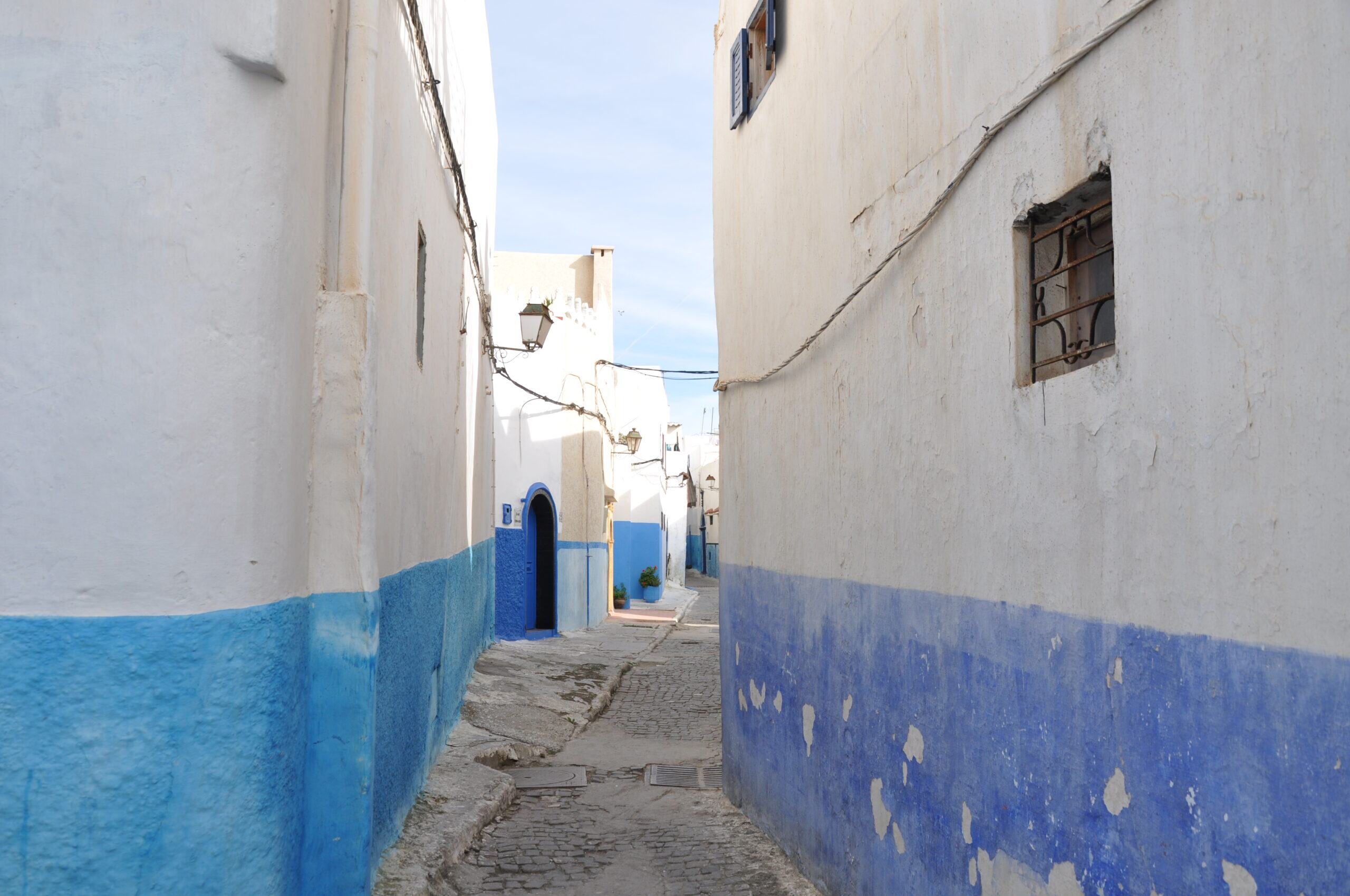
Figures are from the Office des Changes’ August 2026 bulletin and dated reporting, not an estimate of October activity or a full-year forecast. Featured photograph: Rabat’s Kasbah of the Udayas, January 2011, used as residential context rather than evidence about a recipient household. Photo: Jorge Lascar, Wikimedia Commons, CC BY 2.0. Display may be cropped.
