

A new bat-research programme in Morocco has completed its first expedition, but its most interesting question remains open: how are bat populations on opposite sides of the Strait of Gibraltar connected? Recording a species in Morocco is a starting point for that investigation, not proof that a particular animal crossed the strait.
The distinction matters beyond this project. A species list, a recording of a passing bat and a count of animals in a roost answer different questions. Reading them as one measure can make a promising survey sound like a national census, or turn a research aim into a discovery already made.
What the expedition actually reported
In its October 26 account, the Gibraltar National Museum said MaghreBats had completed a two-week expedition with ten researchers from Gibraltar, Morocco, Spain and the United Kingdom. The project works with Cadi Ayyad University in Marrakech, and the museum names Youssef Dbiba as its Moroccan co-director.
The museum reported records of western barbastelle, Maghrebian mouse-eared bat and Gaisler’s long-eared bat among the species encountered. It did not present these as newly discovered species. Nor does the announcement provide a complete survey dataset or a national population estimate. GBC’s November 1 report relays the project announcement; it is not a separate field survey.
The Strait of Gibraltar separates northern Morocco from southern Spain. The museum says earlier Gib-Bats research established movements between Gibraltar and other parts of the Iberian Peninsula, including Portugal. Possible connections with North African populations are a question for the new programme, not a cross-strait movement result demonstrated in this expedition announcement.
Why a bat pass is not an individual bat
An earlier Moroccan study illustrates the measurement problem. A 2023 paper indexed by FAO’s AGRIS research database, by Dbiba and colleagues, describes surveys in the Atlantic coastal provinces of Safi and Essaouira between 2020 and 2022. The abstract reports visits to five caves and nine foraging habitats, using cave observations, nets and acoustic surveys.
The researchers recorded eleven species overall. In foraging habitats they recorded 2,650 passes from ten species. Those are different totals: species describe diversity, while passes measure recorded activity. The abstract does not say that 2,650 individually identified bats were counted. Those historical observations also cannot establish how many bats live in the region now.
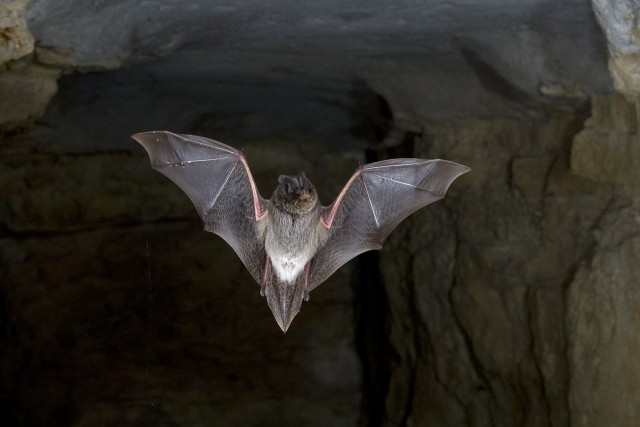

Acoustic activity can still help researchers estimate numbers, if the method is tested. The abstract of a Bioacoustics methods paper published online in September 2020 describes comparing recordings with audiovisual observations of five colonies over 25 nights. Site-specific recordings at cave entrances could support estimates of roost numbers. That is evidence for a calibrated method in the studied settings, not a universal conversion rate from sound files to bats, and not a result from MaghreBats.
From records to protection
The museum says MaghreBats will advise Moroccan authorities on important habitats and sites under a scientific research licence issued by the National Agency for Water and Forests, known as ANEF. It announced a second expedition for late November and early December 2026. These are stated responsibilities and plans; the October account does not establish that new protected sites have been designated or that conservation outcomes have already improved.
The useful next evidence would be published methods, identified records and repeated observations that can be compared over time. Morocco’s northern bald ibis research likewise distinguishes sightings, breeding pairs and movement records. Studies of Barbary macaques show why findings from particular groups should retain their setting and limits.
For the bat programme, the immediate achievement is reported fieldwork and a basis for further study. Keeping that separate from a population census or proven cross-strait movement does not diminish the work. It makes its eventual findings easier to judge.
Sources and method: This explanation compares the museum’s dated expedition account with published research abstracts and secondary reporting, checked on November 13, 2026. The Safi-Essaouira paper was read through its AGRIS abstract; the full paper was not accessible. The Bioacoustics abstract was inspected, not its full methods or data. No field visit, interviews, new species identification or population count was conducted.
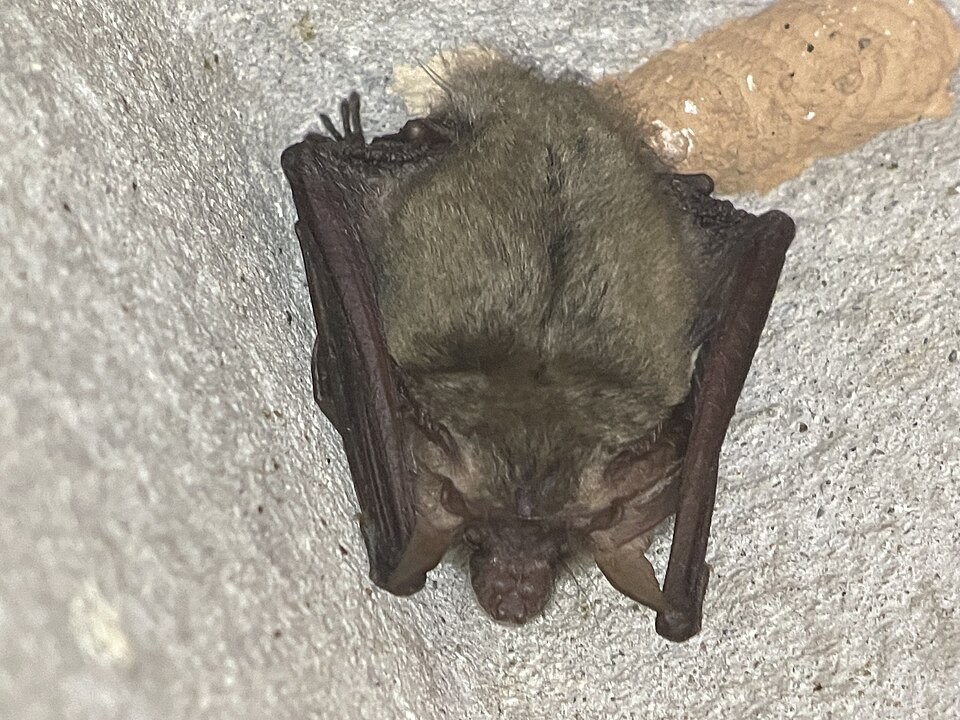
Lead archive photograph: Gaisler’s long-eared bat in Morocco, August 23, 2022, not an animal identified in the 2026 expedition. Photo: tomas_kay, via Wikimedia Commons from iNaturalist, CC BY 4.0. Resized and recompressed; no generative changes.
