

Culture & Heritage | Architecture and society | 8 November 2026
A family could own its storage cell while sharing the cost and responsibility of protecting the building around it. That combination is the key to Morocco’s collective granaries: cooperation did not mean that everything inside was owned in common.
Known as igoudar, with agadir as a singular form, these fortified storehouses are part of Amazigh heritage in the Atlas and southern Morocco. They held food, valuables and documents. Their architecture makes more sense when read as a way of organising responsibility, not simply as a fortress or an early bank.
Family rooms inside a common enclosure
A guide issued by Morocco’s culture ministry describes storage cells belonging to families within a collectively managed building maintained at the community’s expense. The goods included wheat, barley, almonds, oil and argan products, alongside jewellery and legal records.
The protected object was therefore more than a harvest. A property deed or inheritance document could matter long after the grain had been consumed. Keeping a family’s papers and possessions secure required a dependable enclosure, controlled access and people entrusted with its care.
Collective did not necessarily mean equal. The ministry’s guide says the position of family cells could express social rank and importance. It is a reminder not to turn shared management into a claim that historical communities had no hierarchy.

The guard was part of the system
The same guide describes a management council choosing a trusted person, the lamine, to oversee maintenance and control of the granary, with annual payment in kind. It also describes customary rules, known as azerf or llouh, recorded in Arabic on wooden tablets or paper.
Rules addressed security, theft, disputes and responsibilities. This is a historical description of local institutions, not a statement that those texts define Morocco’s present national law. Nor does it establish one uniform rulebook for every granary.
In reporting published in October 2024, the BBC described custodians, family texts and continuing storage at Aït Kine. That dated reporting gives a concrete example of use alongside heritage value; it is not a check of who holds the keys there today.
No single architectural formula
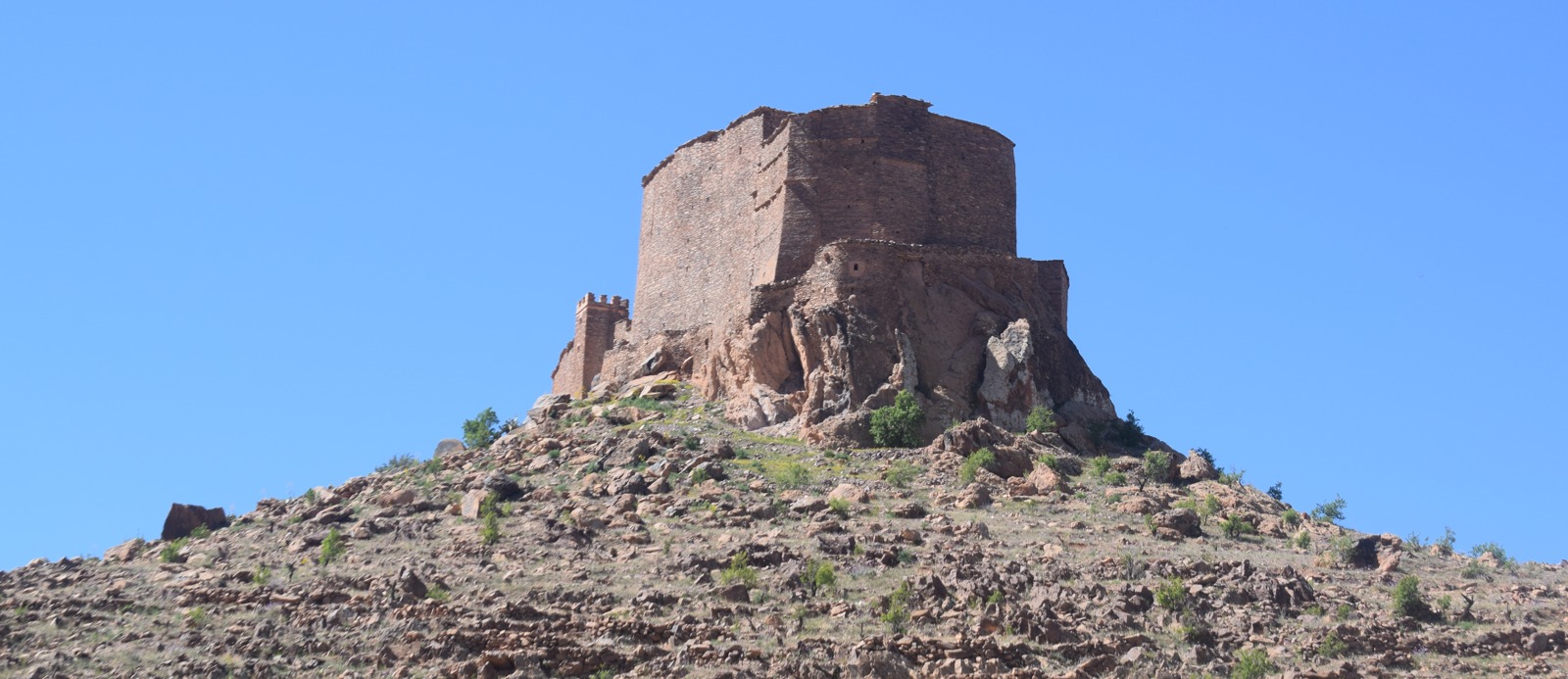
The culture ministry’s typology includes cave, cliff, hilltop, plain and village granaries. Materials and layouts varied with terrain and local building practice. A hilltop silhouette is only one part of that range.
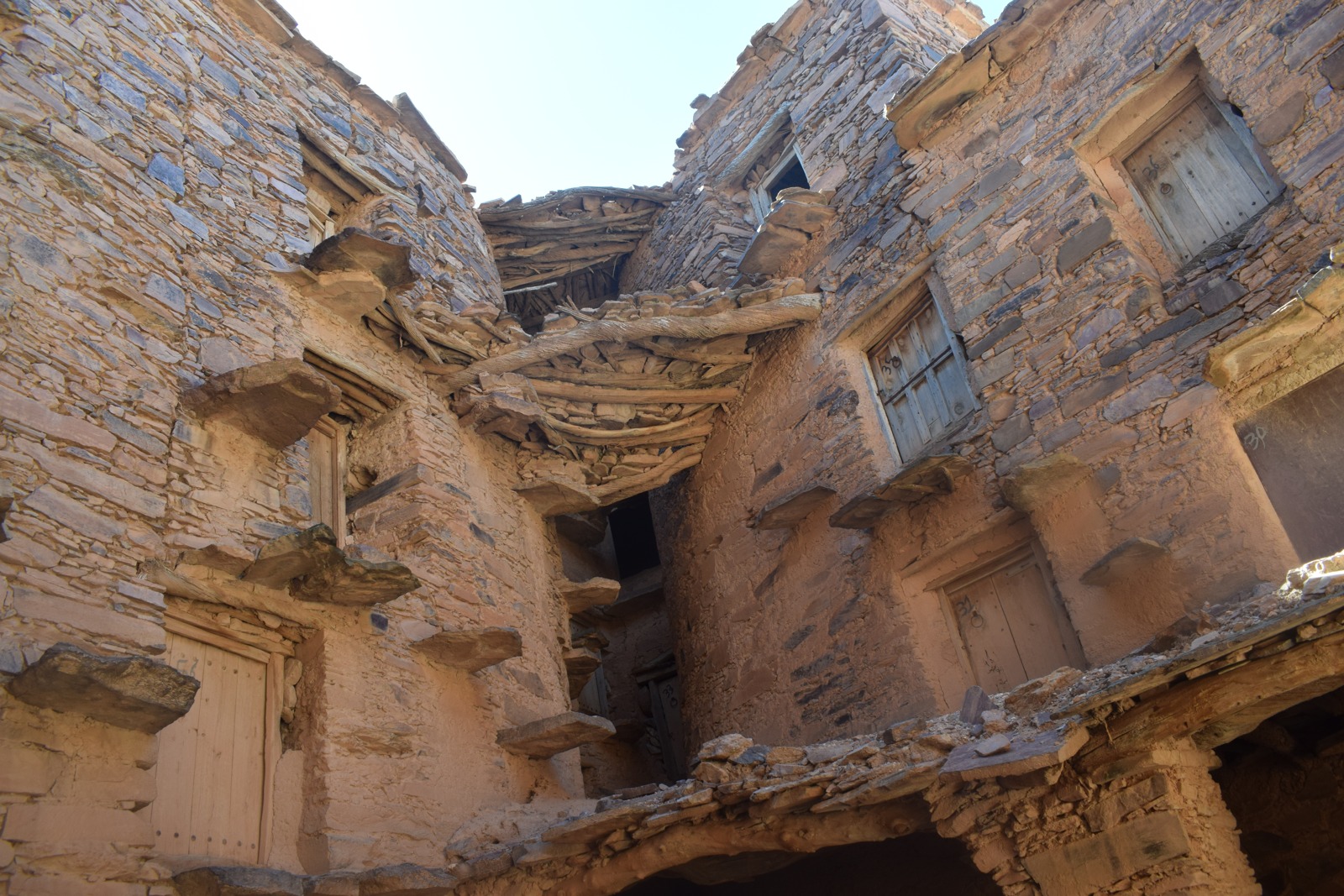
Inside, circulation mattered as much as the outer walls. The guide describes projecting stone slabs and timber ladders providing access to upper cells, small openings for ventilation and cisterns collecting rainwater. Storage, access and refuge had to work within the same protected space.
The photographs here show Tasguent in 2018. They help explain the relationship between the enclosure and its internal rooms, but cannot certify the building’s current condition or whether any particular cell is still used.
A building and a social institution
Architect and researcher Salima Naji’s 2021 study, drawing on research from 2000 to 2019, examines granaries through their wider communal and sacred relationships. Her account includes active, disused and ruined buildings. Those are different conditions, not interchangeable examples of a tradition either wholly alive or wholly lost.
There are useful parallels with the shared work behind khettara water systems. But storing separate family goods is not the same task as allocating a flow of water. Likewise, Ait-Ben-Haddou’s repair needs concern an inhabited fortified settlement, not this entire class of storehouses.
The distinctive question in an agadir is how private stores could remain under common protection. Doors and walls supplied part of the answer. Appointed custodians, agreed obligations and the community’s willingness to maintain them supplied the rest.
Featured archive photograph: exterior of Tasguent’s collective granary, 15 April 2018. Emmanuel Roquette, Wikimedia Commons, CC BY-SA 4.0. Cropped and resized, under the same license. Not a current condition or visitor-access assessment.

Editorial method: AI assisted research and drafting. Published sources and their dates were checked. No site visit, interview, inventory of current stores or inspection of present management was conducted. Editorial responsibility remains with Sada Journal.