

Politics | 31 October 2026
Morocco’s Royal Cabinet has called for the presence of the United Nations mission in Western Sahara to end in the coming days, after the Security Council failed to adopt either of two rival resolutions on 30 October.
The statement, carried in full by Hespress with MAP, goes beyond welcoming the result of the votes. It explicitly addresses the mission’s personnel, vehicles, equipment and symbols, and argues that the Western Sahara issue should also leave the Council’s agenda.
Those are Morocco’s stated demands and interpretation of the deadlock. They are not an adopted Security Council decision ending the dispute, nor evidence that MINURSO’s personnel have already withdrawn.
What the Royal Cabinet said
The October 30 statement describes non-renewal as a significant step towards closing the Sahara issue at the United Nations. It says the mission’s presence should cease in the coming days and that regular Council meetings, related Secretary-General reports and briefings by his personal envoy would no longer be necessary.
The Cabinet also says the UN political process is suspended, announces that similar steps will be pursued in other UN bodies, and reiterates Morocco’s commitment to the ceasefire, subject to its stated territorial-integrity and national-security considerations. It says bilateral and regional diplomacy will continue.
This is a formal Moroccan position, not a joint statement by the parties or a UN announcement. Its description of the territory as Morocco’s southern provinces reflects Rabat’s sovereignty claim. Western Sahara’s final status remains disputed.

The Council votes did not adopt a withdrawal plan
The UN’s meeting account records 11 votes in favour of the US draft, one against and three abstentions. Russia’s veto prevented adoption. A Russian alternative then received three votes in favour, one against and 11 abstentions, below the nine affirmative votes required.
Neither failed draft created a new UN mandate. Neither supplied an adopted operational timetable for withdrawal. The mission’s existing mandate runs to October 31; the deadline alone should not be confused with confirmation that staff, vehicles or equipment have left.
The distinction is important because Morocco is asking for both a practical departure and a change in the UN’s treatment of the issue. A call for those steps is news in its own right, but it does not establish that the UN has carried them out. Our earlier analysis of the Council deadlock explains the failed texts and the unresolved questions.
Other parties read the outcome differently
Morocco proposes autonomy under its sovereignty. The Polisario Front seeks self-determination, including independence, and Algeria supports its position. The mission was established in 1991 in connection with a settlement plan envisaging a referendum that has not taken place.
Wire reporting carried by Al Jazeera says Polisario’s UN representative, Sidi Omar, welcomed Russia’s veto on Friday, arguing that the US proposal would undermine Sahrawi self-determination. That is not an endorsement of Morocco’s demand that the mission leave.
In the Council debate, the United States said any drawdown should be orderly and stable. France warned that an abrupt closure would be alarming amid renewed tensions. Russia opposed what it called a one-sided approach, while Algeria thanked Russia for proposing a technical renewal. These positions, recorded by the UN, show the disagreement that remains behind the failed votes.
What would establish the next step
The next concrete developments to check are an adopted Council text, an official UN account of operational arrangements, or a further formal statement setting out what happens to the mission. A departure timetable, actual personnel movement and a political settlement are different developments and should be reported separately.
For now, the confirmed development is the Royal Cabinet’s call for MINURSO’s presence to end and for the issue to be removed from the Council’s agenda. The statement sets out Morocco’s intended direction. It does not settle the territory’s status or demonstrate that the UN has adopted that direction.
Source-based reporting using the Royal Cabinet statement carried with MAP, UN meeting coverage and wire reporting. No new UN withdrawal order or completed departure is asserted here.
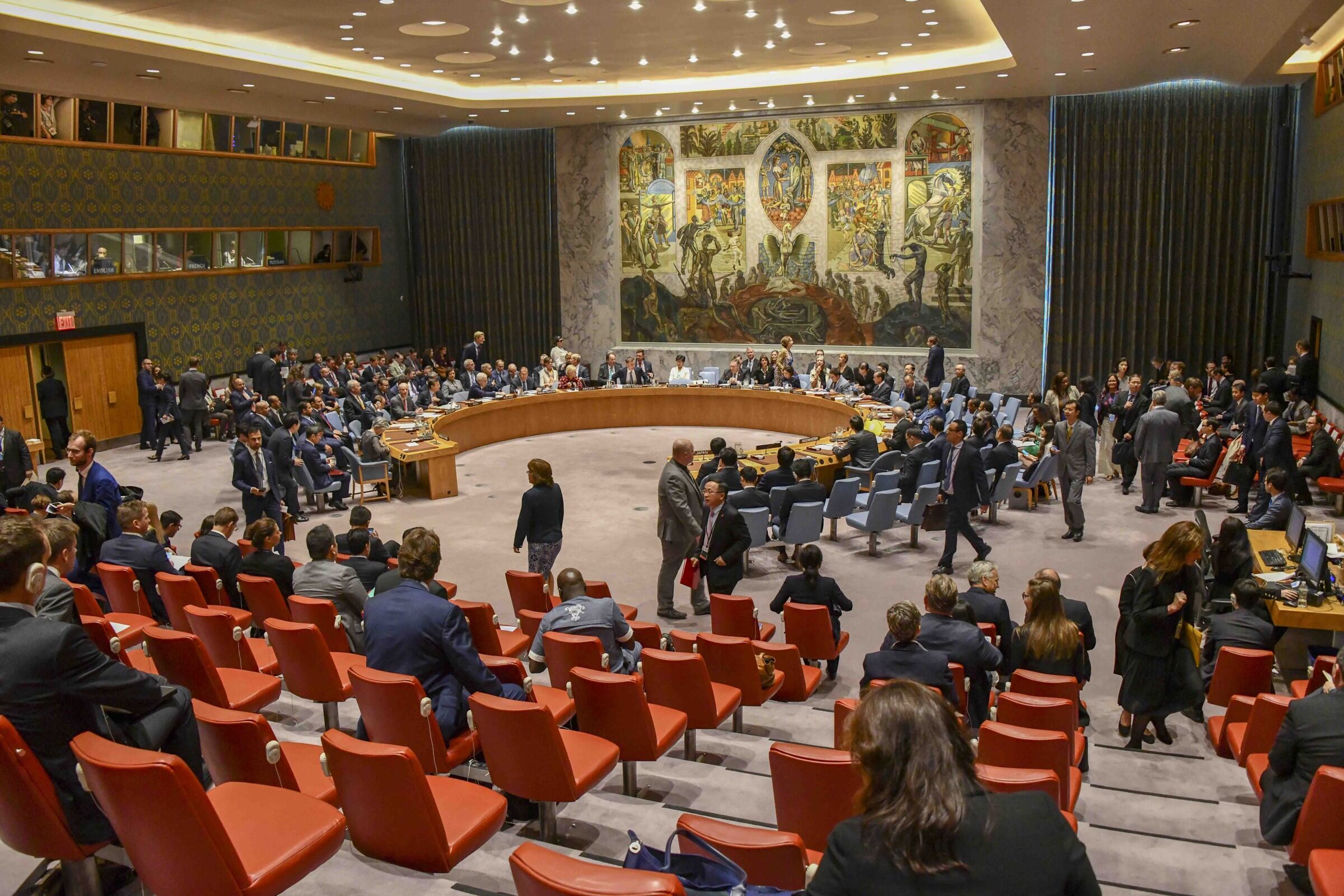
Featured photograph: UN Security Council meeting on North Korea, September 27, 2018, not the October 2026 Western Sahara meeting. U.S. Department of State, Wikimedia Commons; public-domain federal government photograph. Resized; display may be cropped.

Background: Western Sahara Explained: The Dispute, the Players and What Comes Next.