
Western Sahara is the largest territory on the United Nations’ list of non-self-governing territories and the subject of Africa’s longest-running territorial dispute. Morocco administers most of it and considers it an integral part of the kingdom. The Polisario Front, backed by Algeria, claims it as the homeland of an independent Sahrawi state. A 1991 ceasefire ended sixteen years of war, but the political settlement it was meant to prepare – a referendum on self-determination – has never taken place. This guide explains how the dispute began, who the players are, where the diplomatic process stands, and what to watch next. Last updated: 1 November 2026.
What and where is Western Sahara?
Western Sahara is a sparsely populated territory of roughly 266,000 square kilometres on Africa’s Atlantic coast, bordered by Morocco to the north, Algeria to the northeast and Mauritania to the east and south. Population figures are contested and no recent census is universally accepted; most estimates put the population in the low-to-mid hundreds of thousands, with the largest city, Laayoune, home to several hundred thousand people.
The territory matters beyond its size. Its waters hold some of the richest fishing grounds off Africa, the Bou Craa mine produces phosphate rock, and its coastal position places it on Atlantic trade and migration routes. For Morocco, it is also a matter of national identity: the royal palace, the major political parties and most of the public treat Moroccan sovereignty over the territory as settled. For the Polisario Front and its supporters, it is an unfinished decolonization.
How the dispute began
Spain colonized the territory in 1884 and ruled it as Spanish Sahara. As decolonization pressure grew in the 1970s, both Morocco and Mauritania claimed it, citing historical ties of allegiance between some Sahrawi tribes and the Moroccan sultan. Spain asked the International Court of Justice for an advisory opinion. In October 1975 the ICJ found that while some legal ties existed, they did not establish territorial sovereignty and did not affect the application of self-determination.
Weeks later, in November 1975, King Hassan II organized the Green March, sending some 350,000 Moroccan civilians across the border in a peaceful demonstration to press Morocco’s claim. Spain, under pressure and with Franco dying, signed the Madrid Accords with Morocco and Mauritania and withdrew in early 1976, handing administration to the two neighbours rather than holding an independence referendum.
The Polisario Front – founded in 1973 to fight Spanish rule – rejected the partition. With Algerian and Libyan support it declared the Sahrawi Arab Democratic Republic (SADR) in February 1976 and fought a guerrilla war against both countries. Mauritania withdrew in 1979, signing a peace deal with Polisario; Morocco then extended its control over most of the territory. The war continued until a UN-brokered ceasefire took effect in September 1991.
The referendum that never happened
The 1991 settlement plan created a UN mission, MINURSO (the United Nations Mission for the Referendum in Western Sahara, established by Security Council Resolution 690), to organize a vote in which Sahrawis would choose between independence and integration with Morocco. Three decades later that vote has not occurred. The core dispute has been the electorate: who counts as a Sahrawi entitled to vote, in a territory shaped by migration, tribal movement and displacement. Identification disputes produced hundreds of thousands of contested applications, and by the mid-2000s the UN’s own envoys were describing the original plan as unworkable.
Most of the territory west of a 2,700-kilometre sand wall known as the berm – including Laayoune, Dakhla and Smara – is administered by Morocco, which has invested heavily in infrastructure there and encouraged settlement. Polisario controls the sparsely inhabited strip east of the berm and administers refugee camps near Tindouf in Algeria, home to tens of thousands of Sahrawi refugees; estimates of the camps’ population vary widely and are themselves contested.
The two positions today
Morocco rules out independence and proposes autonomy under Moroccan sovereignty, a plan it submitted to the UN in 2007. Rabat describes the plan as the only realistic basis for talks and has campaigned for international endorsement of it. Since 2020, a series of governments – most prominently the United States, which recognized Moroccan sovereignty over the territory in December 2020 as part of a normalization agreement between Morocco and Israel – have backed the autonomy approach in varying language. Spain endorsed it in 2022, and France has also moved to support it. Moroccan officials count support from a majority of Arab and African states, though the exact number of formal endorsements shifts as governments change position.
The Polisario Front insists on a referendum that includes independence as an option, arguing that self-determination cannot be limited to a single pre-approved outcome. The SADR is a member of the African Union – Morocco left the organization in 1984 over the SADR’s admission and rejoined in 2017 – and is recognized by dozens of states, mainly in Africa and Latin America, though several have withdrawn or frozen recognition over the years. Algeria hosts the refugee camps, funds and arms the Polisario according to Moroccan officials and outside analysts, and describes itself as a concerned neighbour rather than a party to the conflict; Morocco and the Polisario dispute that characterization.
The ceasefire’s collapse and the current crisis
The 1991 ceasefire held for nearly three decades. In November 2020, Moroccan forces moved to clear a Polisario-backed protest blocking the Guerguerat border crossing with Mauritania, a route vital for regional trade. Polisario declared the ceasefire over and announced a return to armed struggle. Since then, low-intensity exchanges – mostly Polisario rocket and mortar claims around the berm, and reported Moroccan drone strikes – have continued without escalating into open war. The UN Secretary-General’s annual reports have since described a breakdown of the ceasefire, with regular exchanges of fire that stop short of open war.
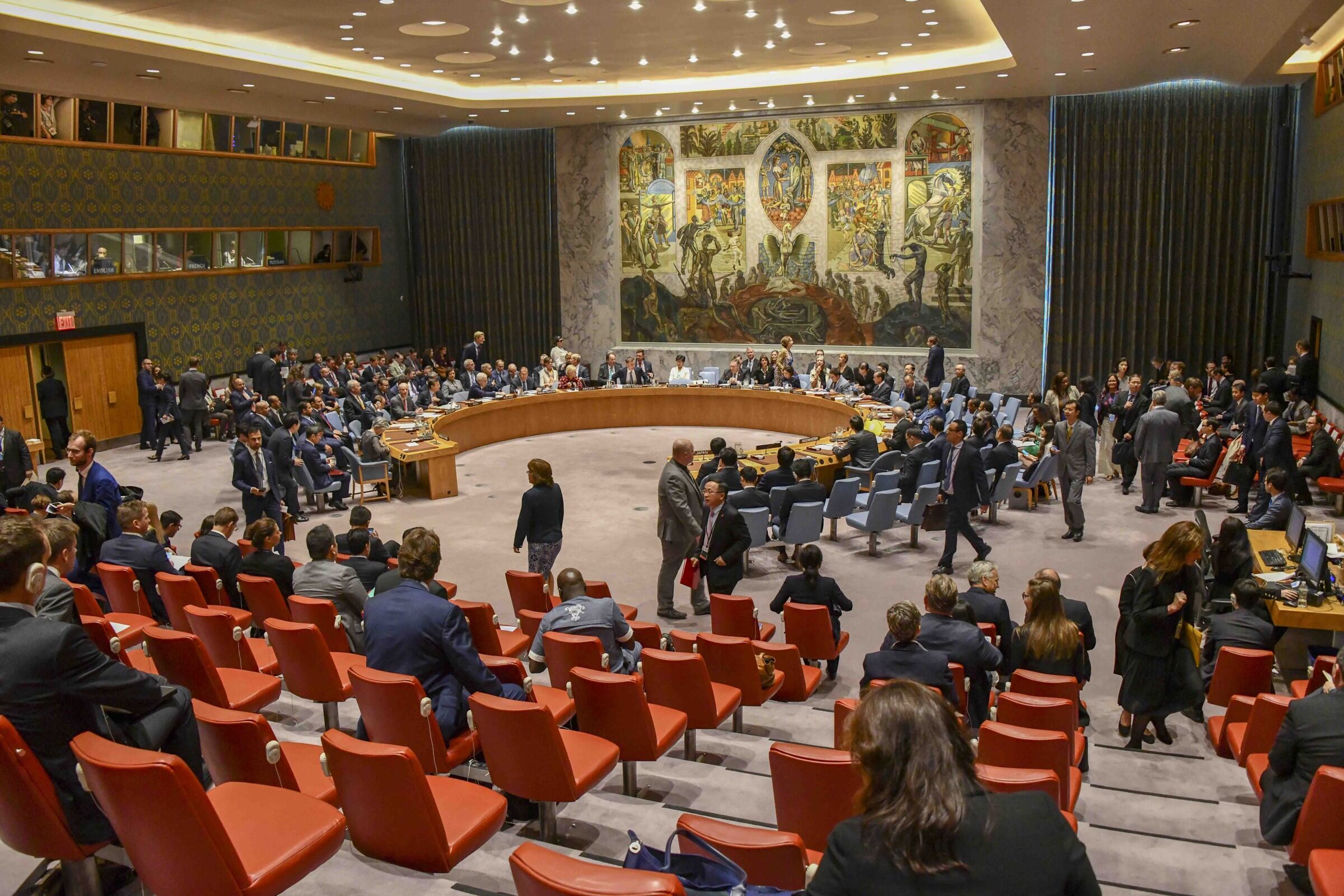
Diplomatically, the Security Council has continued to renew MINURSO’s mandate annually, usually in late October, while calling for a “realistic, pragmatic, enduring and compromise-based political solution” – language Morocco reads as support for autonomy and Polisario reads as avoiding a referendum commitment. The United States’ 2020 recognition, and the migration of other capitals toward the autonomy plan, have made each renewal vote more contentious.
Where things stand: October-November 2026
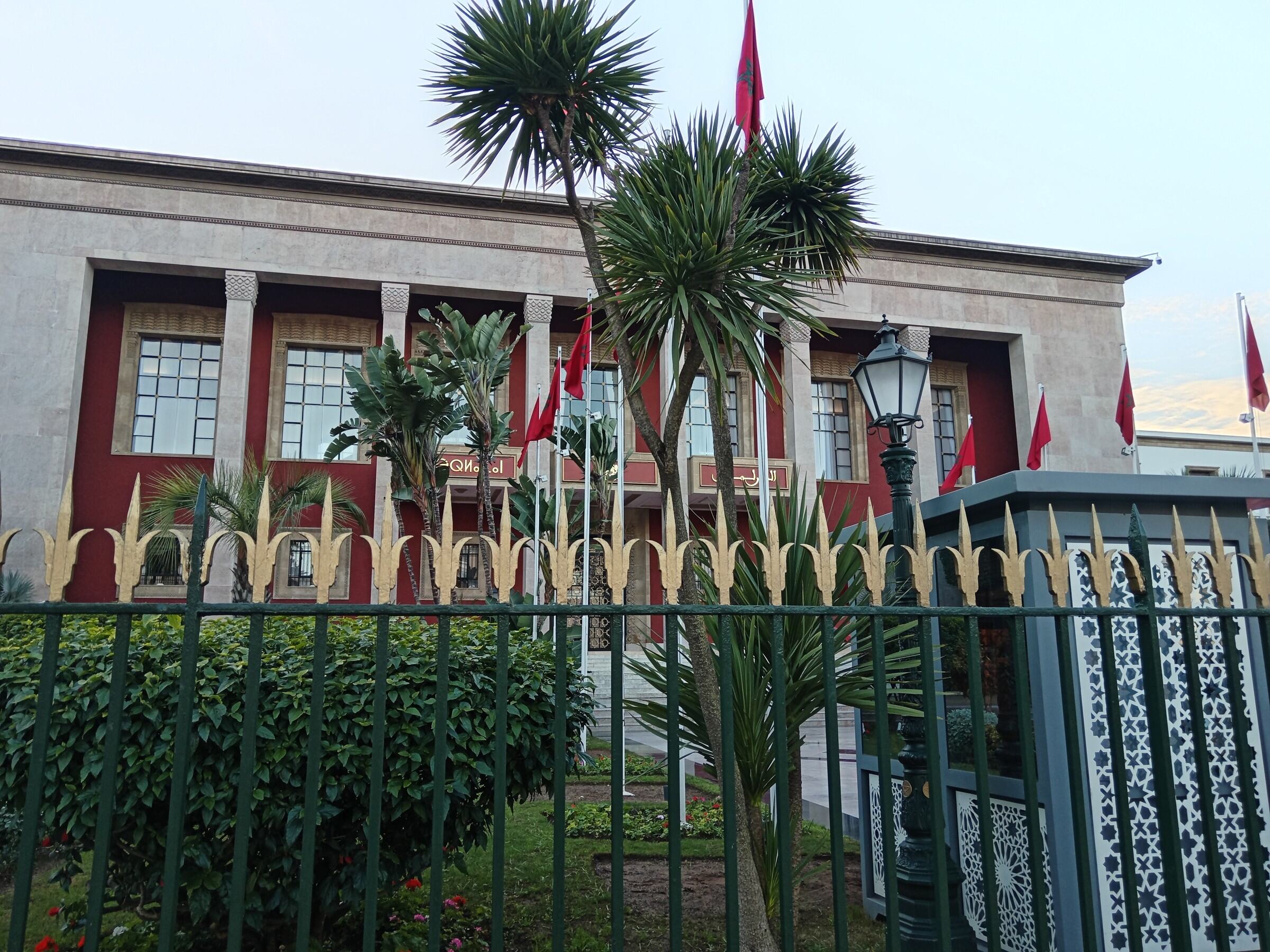
The Security Council’s latest vote on MINURSO’s mandate ended without agreement on a path forward – our full report on the deadlock and what it means. In its aftermath, Morocco’s Royal Cabinet issued a statement calling for MINURSO’s presence in the territory to end – our report on the Royal Cabinet statement and its wording. Morocco’s two parliamentary chambers have called a joint session on Monday, 2 November, to review developments. What the UN, Algeria and the Polisario Front do in response will determine whether the dispute enters a new phase or settles into another year of managed stalemate. As with every stage of this story, statements from all sides should be read as positions until confirmed by independent reporting.
Why it matters
For Morocco, the territory is tied to national unity, Atlantic access and its diplomacy with Africa, Europe and the United States; the autonomy plan anchors its foreign policy and its economic plans for the southern provinces, including the major port project at Dakhla. For Algeria, the dispute shapes a rivalry with Morocco that closed their shared border in 1994 and still defines North African geopolitics. For the European Union, fisheries and trade agreements covering the territory have been repeatedly challenged in EU courts, which have ruled that such deals require the consent of the Sahrawi people – rulings Brussels and Rabat continue to navigate. And for the Sahrawis themselves, on both sides of the berm and in the Tindouf camps, it is a fifty-year question of home.
What to watch next
- Whether MINURSO’s mandate is reconfigured, extended or wound down after the latest Council deadlock – and how the Polisario and Algeria respond to any Moroccan move against the mission.
- The positions of the United States, France and Spain, whose endorsements of the autonomy plan have shaped the diplomatic weather since 2020.
- EU court rulings on fisheries and farm trade covering the territory, which carry practical consequences for exporters.
- Conditions around the berm and at Guerguerat, where incidents have repeatedly outrun diplomacy.
Sada Journal’s Western Sahara coverage: Western Sahara After the UN Deadlock: What Changed, and What Did Not · Royal Cabinet Calls for MINURSO to Leave After UN Vote Deadlock · Parliament to Hold Joint Session on Sahara Developments
Key sources: UN Security Council Resolution 690 (1991) and subsequent MINURSO mandate renewals, including the Council’s latest vote (UN press release SC/16498); International Court of Justice advisory opinion on Western Sahara, 16 October 1975; UN Secretary-General’s reports on Western Sahara, via MINURSO. Population and support figures cited above are estimates and are marked as such; positions attributed to governments reflect their public statements as of 1 November 2026.