
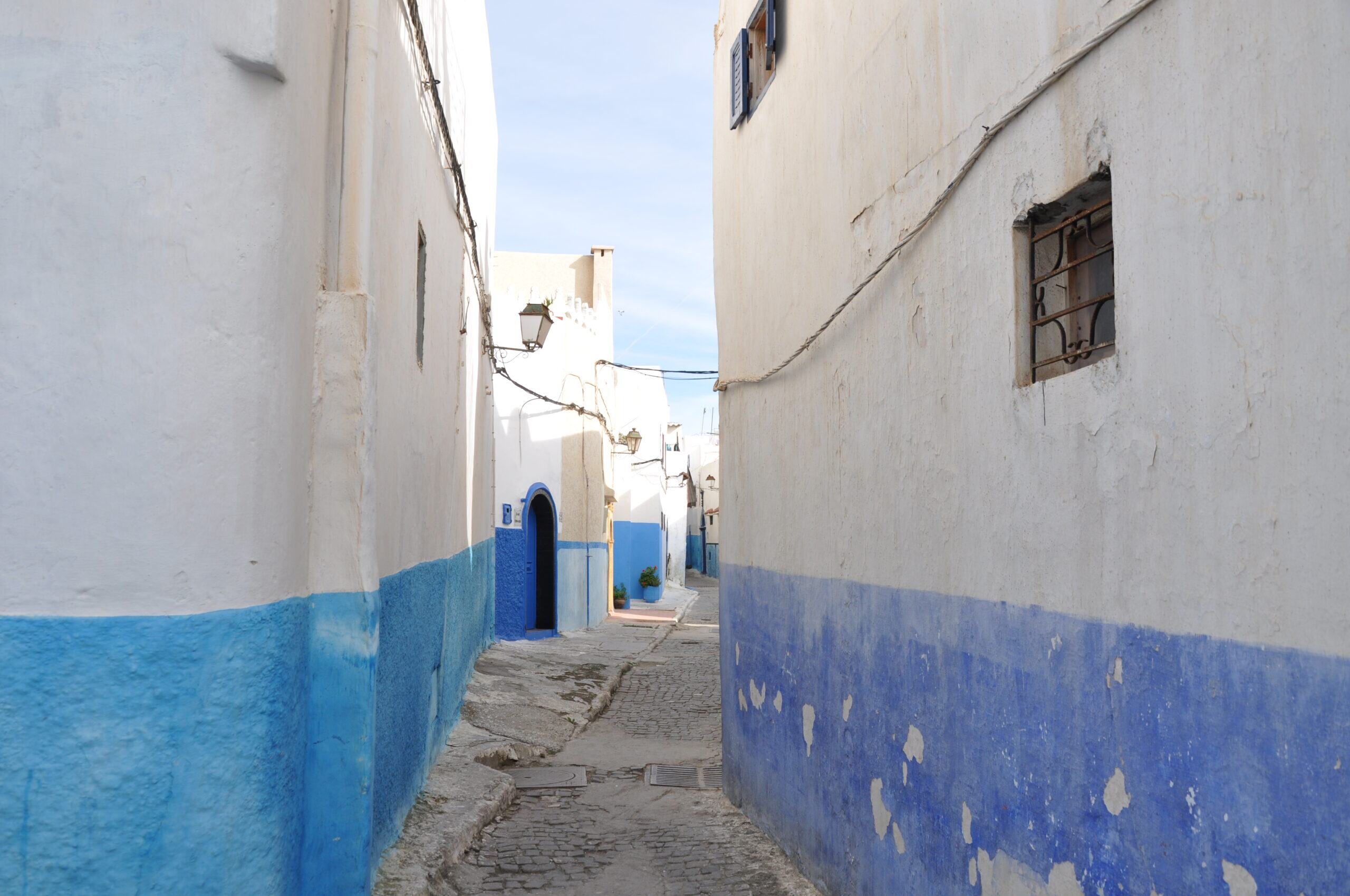

Visitors often arrive in a Moroccan city looking for its oldest streets. Rabat rewards a wider frame. Its UNESCO listing places a modern capital and a historic city in the same title, asking the reader to look at the relationship between them.
That is a useful starting point for a visit. The city’s heritage is not confined to a single monument or to the medina. It includes a planned twentieth-century urban landscape alongside much older remains.
Why the modern city belongs in the story
UNESCO’s description of Rabat includes the new town conceived under the French Protectorate from 1912 into the 1930s. Royal and administrative areas, residential and commercial developments, and the Jardins d’Essais form part of that account.
The listing describes an exchange between earlier Arabo-Muslim heritage and modern planning. It is not a claim that the colonial period was uncomplicated or that every building in today’s city shares the same history. It identifies a specific urban ensemble and the way its layers interact.
Look for the older project inside the newer capital
The older components include Hassan Mosque, begun in 1184, and Almohad ramparts and gates. UNESCO also points to remains associated with the seventeenth-century Moorish or Andalusian principality. These are different periods, not one timeless “old Morocco”.
On a walk, that suggests a change of attention. Notice where a wall controls a view, how a public space opens out, and how newer streets sit beside older structures. The point is to compare urban ideas rather than to collect dates as if they were stamps.
Use the heritage map, not a blanket label
A World Heritage inscription has a defined property. It does not mean that every attraction in the wider city is included, or that entry to a museum, garden or monument follows one shared rule. UNESCO’s documents page provides maps and nomination material for readers who want to understand the boundaries.
This is an orientation guide, not a checked opening-hours itinerary. Verify access, closures, tickets and transport for the date of a visit through the relevant operator. Historic importance and present-day availability are separate facts.
A slower way to plan a day
Rather than treating Rabat as a quick stop between better-known destinations, choose a manageable part of the city and leave room to observe its transitions. An ambitious list of disconnected sights can hide the planning and public spaces that make the heritage legible.
The reward is a less flattened picture of Morocco. Rabat’s interest lies in how a capital was assembled across periods, with continuities and tensions visible in its streets. The medina is part of that story, not its final page.
Reported and written from the linked published sources. Featured photograph: Kasbah des Oudaias, Rabat, January 2011. Photo: Jorge Lascar, via Wikimedia Commons, CC BY 2.0. Display may be cropped.
