

Analysis | Updated 31 October 2026
The most important distinction in the latest Western Sahara vote is also the easiest to lose in the headlines: the UN Security Council did not agree on a new settlement framework or renew the peacekeeping mission. Two rival drafts failed on 30 October, leaving MINURSO approaching the end of its mandate on 31 October without an agreed extension.
That is an institutional deadlock, not a decision on who holds sovereignty over the disputed territory. For Morocco and its neighbours, it raises an immediate question about the UN presence alongside the much older disagreement over Western Sahara’s final status.
What actually happened at the Council
According to the UN’s meeting account, the US draft received 11 votes in favour, one against and three abstentions. Russia’s negative vote, as a permanent Council member, blocked adoption. A Russian alternative then received three votes in favour, one against and 11 abstentions. It failed to reach the nine affirmative votes needed for adoption.
The second result matters. It is more precise to say that the Russian draft lacked sufficient support than to describe the evening simply as an exchange of vetoes. Associated Press reporting carried by The Washington Post makes that distinction too.
The disagreement was bigger than a mission’s name
The US text sought to renew the mission while changing its name and strengthening the role of Morocco’s autonomy proposal in negotiations. The independent Security Council Report’s account of negotiations shows how the draft evolved: an early version envisaged ending the peacekeeping mandate and moving to a political mission; later revisions removed that timetable and requested proposals on the mission’s future structure instead.
Those versions should not be confused. Nor should any provision in a defeated draft be presented as adopted UN policy. The final text still divided members over how closely negotiations should be tied to autonomy under Moroccan sovereignty and whether that wording would leave a meaningful choice over the outcome.
Where the main positions differ
Morocco proposes autonomy under its sovereignty. The Polisario Front seeks self-determination, including the option of independence, and Algeria supports its position. The UN has pursued a negotiated, mutually acceptable political solution providing for self-determination. These are different positions, not interchangeable descriptions of an agreed destination.
MINURSO was established in 1991 in connection with a settlement plan that envisaged a referendum offering a choice between independence and integration with Morocco. That referendum has never taken place. Its absence is central to the US argument that the mission needs a different approach; it does not, by itself, resolve the underlying legal and political dispute.
In the Council debate, the US argued against repeating a mandate it considers disconnected from what can be delivered. Russia objected to what it described as a one-sided approach. France warned about the risks of abrupt closure, while China criticised insufficient consultation. These are attributed diplomatic assessments, not conclusions shared by every Council member.
Why the deadlock matters
Two separate negotiations are now entangled: the long-term political settlement and the near-term arrangements for an international presence. Agreement on the second does not require agreement on every detail of the first. Friday’s votes nevertheless show that Council members could not separate them sufficiently to adopt either text.
The practical issue is therefore continuity. An expiring mandate creates uncertainty about the mission’s next phase, but it is not evidence that all personnel have already departed or that a negotiated settlement has been reached. Any drawdown arrangements, new mandate or later compromise must be checked against subsequent official decisions.
What to watch next
The next useful signals are concrete: a further Council meeting or adopted text, instructions from the UN about the mission’s operations, and verified commitments from the parties about negotiations and restraint. Statements claiming victory are less informative than decisions that specify what happens on the ground.
For international readers, the takeaway is narrow but significant. The Council has failed to agree on the immediate UN framework. Western Sahara remains disputed, and neither failed draft supplies a final answer to its status.
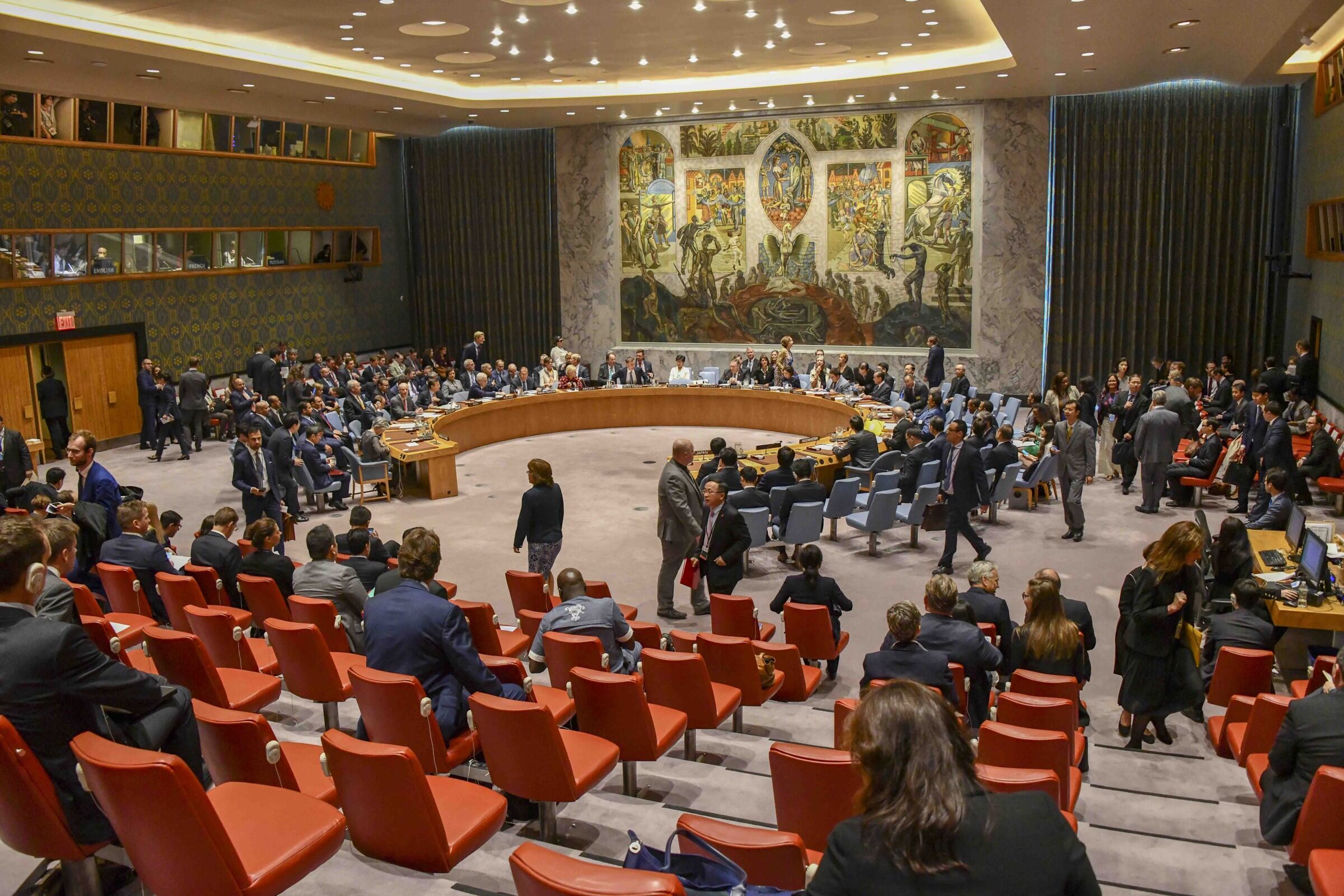
Sources: UN meeting coverage and transcript, Associated Press, Security Council Report and Anadolu’s account of the vote. This is desk analysis of published evidence, not on-the-ground reporting. Featured photograph: UN Security Council meeting on North Korea, 27 September 2018. Context image, NOT the October2026 Western Sahara meeting. Photo: U.S. Department of State, via Wikimedia Commons. Public domain U.S. federal government photograph, as confirmed by the State Department original. Display may be cropped. Archive photograph.

Further reading: Western Sahara Explained: The Dispute, the Players and What Comes Next – our evergreen guide to the conflict.