

Not every introduction to Moroccan music needs to begin with a festival lineup. Malhun offers another entry point: poems sung with instrumental accompaniment, carrying subjects that range from love and food to social questions and imaginary journeys.
For a listener unfamiliar with the language, it can be tempting to hear only the melody. The words are not an optional extra. They are central to how this form records and shares experience.
A musical form with room for ordinary subjects
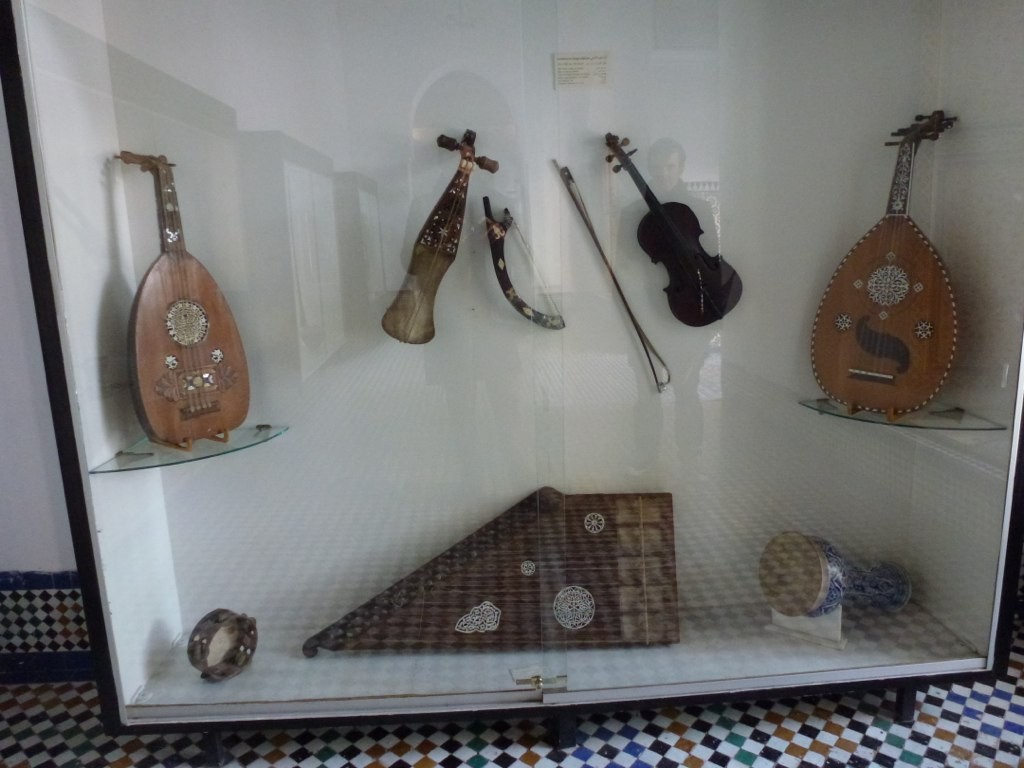
UNESCO’s description of malhun identifies verses in dialectal Arabic and sometimes Hebrew, accompanied by instruments including the lute, violin, rebab and small drums. It lists themes ranging from nature and religious prayer to gastronomy, political events and social issues.
That range resists a narrow label. Malhun can address reflection, celebration and public life without every poem doing the same job. A tradition with a long history can remain attentive to the things people talk about, enjoy and argue over.
Why the poetry changes the listening
UNESCO describes a combination of song, theatrical expression, metaphor and symbolism in accessible language. For an international listener, that makes translation or a good programme note useful. It helps connect what is being sung with the musical form rather than treating the voice as atmosphere.
A translation is still an interpretation. Rhyme, wordplay and references may not travel neatly into English. When sharing an explanation, distinguish a close translation from a broad summary, and avoid assigning a political or spiritual meaning that the source does not support.
How the tradition moves between generations
The UNESCO account describes earlier informal apprenticeships involving vocalists, musicians, transcribers, lyricists and makers of instruments and costumes. It also records transmission through organisations, conservatories and publications of traditional texts.
That is a reminder that musical heritage depends on more than the performer at the front of a stage. The person who preserves a text, teaches an instrument or makes its parts also helps keep a repertoire usable.
There is no single setting for an encounter
Malhun is performed in spaces ranging from family gatherings to large halls and dedicated festivals, according to the heritage record. The setting shapes what an audience can expect; it should not be assumed that a private gathering is open to a visitor.
This introduction does not verify a current concert date or venue. If you want to hear a performance during a trip, check the organiser’s current programme and access conditions. If you begin with a recording, look for information about the poem as well as the singer.
The reward is a different map of Moroccan culture: one drawn through language, memory and the details of everyday life, rather than a list of sights.
Reported and written from the linked published sources. Featured photograph: Andalusian musical instruments in a Fez museum, 23 February 2013. Context image of Morocco’s instrumental heritage, not a Malhun performance or a complete Malhun ensemble. Photo: Xavier Serra, via Wikimedia Commons. Photograph and display crops licensed CC BY-SA 2.0. Archive photograph.
