

Spain’s National Police has identified the police prefect of Casablanca-Settat, a senior official whose profile includes security planning for the 2030 football World Cup, among the phone contacts of the networks that organized July’s mass crossing into Ceuta, ABC reported, while a separate Guardia Civil intelligence report in the case file warns that Morocco could “promote or consent” a new mass crossing to press its claim to host the tournament’s final.
Executive summary
- The CENIF police report that documented 97 phone connections between the crossing’s organizers and Moroccan security contacts names Abdellah El Ouardi, police prefect of the Casablanca-Settat region, as a contact saved in monitored phones, ABC reported Thursday.
- The police report’s own profile of the prefect describes three priorities: proximity security, technological modernization and “security logistics aimed at strategic macro-events, notably the 2030 football World Cup.” It notes his number was saved under terms like “Police” at least ten times and that the “possible affiliation” matches an entry in the Jabaroot data leak.
- A Guardia Civil intelligence report dated July 31, now in Judge María Tardón’s case file, warns that Rabat could “promote or consent” further mass crossings to discredit Spain internationally and condition the choice of the 2030 final’s venue, El Español reported.
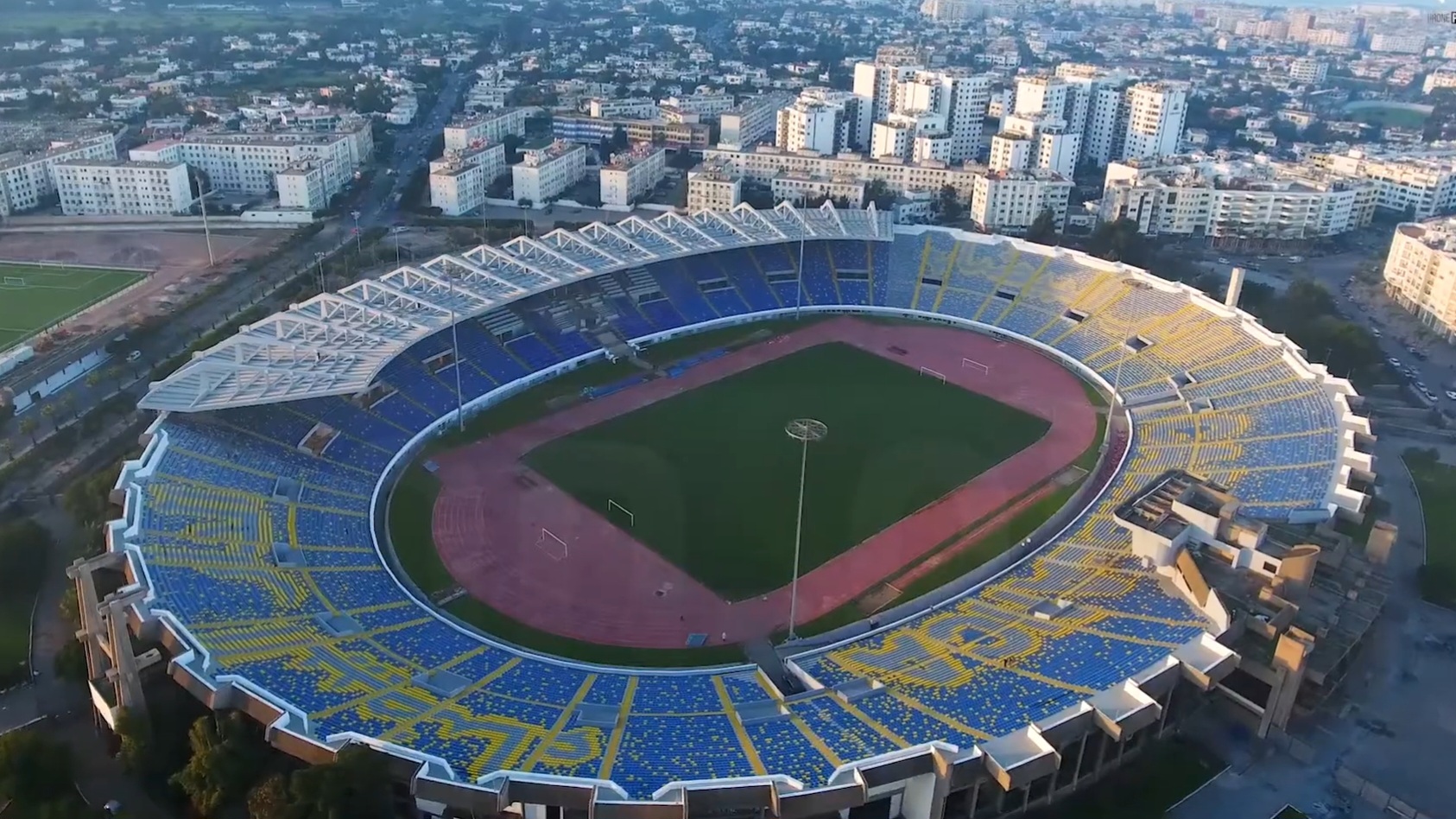
- The 2030 tournament is co-hosted by Spain, Portugal and Morocco, and the site of the final is disputed: Rabat is building the 115,000-seat Hassan II stadium in Casablanca while Spain backs the Santiago Bernabéu or Camp Nou.
- The police and Guardia Civil accounts sit alongside the CNI intelligence service’s conclusion that no evidence ties the crossing to the Moroccan authorities; Moroccan officials have not publicly commented, and Moroccan media have dismissed the police reports.
The prefect in the contact lists
Among the 97 connections the National Center for Immigration and Borders (CENIF) traced between administrators and promoters of the messaging groups behind the July 30-31 crossing and Moroccan security structures, “one of the most striking names” is Abdellah El Ouardi, police prefect of Casablanca-Settat, ABC reported, quoting the police report. The document describes him as a figure “in charge of logistical and security planning” for the 2030 World Cup and says his institutional and technical profile rests on three axes: “reinforcing proximity security and urban deterrence, driving the technological modernization of police resources, and planning security logistics aimed at strategic macro-events, notably the 2030 football World Cup.”
According to ABC’s account of the filing, the prefect’s number appears saved under terms such as “Police” at least ten times in the contact lists tied to the monitored phones. “It is possible that this subject is located in Casablanca, since he has been saved on occasion with the term ‘Anfa,’ a district of that city. His possible affiliation coincides with one contained in the leak attributed to Jabaroot,” the report says, in the newspaper’s translation. The Jabaroot hacktivist group’s breach exposed the internal records of roughly 70,000 members of Morocco’s security and intelligence services, and cross-checking contact lists against that database allowed investigators to identify the 97 connections, as Sada Journal reported.
The World Cup warning
Separately, the Guardia Civil’s intelligence service warned in a report dated July 31, the second day of the crossing, that Morocco could “promote or consent” new mass entries into Spanish territory to press its case over the 2030 World Cup, El Español reported, after reviewing the document. The report, sent to the force’s Operations Command and later added to Judge Tardón’s file, argues that Rabat could use migration crises “to discredit Spain” internationally and condition the decision on the final’s venue.
The same dossier points to Moroccan passivity during the Throne Day holiday as a warning about Spain’s dependence on Morocco for migration control, and warns that media and authorities close to Rabat could use such events to reopen debate over the sovereignty of Ceuta and Melilla, according to El Español. The document was not among those declassified by the Spanish government. ABC reported that earlier National Police and CNI analyses had already listed tensions over the final’s venue among the background elements feeding the escalation before July.
The rivalry is real and open: the 2030 tournament is jointly hosted by Spain, Portugal and Morocco, and Rabat is campaigning for the final to be played at the planned 115,000-seat Hassan II stadium in Casablanca, while Spain points to the Santiago Bernabéu and the Camp Nou.
Where the reports disagree
The World Cup framing deepens a case already split between Spanish security bodies. The CENIF and Guardia Civil filings point to Moroccan-linked organization, active guidance and geopolitical motive; the CNI, the intelligence service, told the court on November 11 that it had obtained “no evidence to date” that the crossing was “instigated, planned or coordinated by the Moroccan authorities,” as Sada Journal reported. The police report itself describes a scheme of “diffuse authorship” and does not conclusively establish individual participation.
Moroccan authorities have not publicly responded to the police reports. Morocco’s Le360 news site has dismissed the CENIF filings as an “obsession with accusing Morocco” substituting for proof.
What to watch
- Whether the police report’s naming of the prefect draws a response from Rabat or from the Moroccan football authorities.
- The November 26 testimony of Spain’s former consul in Tetuan and of the Ceuta delegation’s former chief of staff, and former delegate Miguel Ángel Pérez Triano’s appearance on December 1.
- Whether Judge Tardón orders the requested data requests to Google and Meta.
- Any CNI or prosecutorial assessment of the Guardia Civil’s World Cup warning.
Editorial method: This report is based on ABC’s account of the CENIF police report and El Español’s review of the Guardia Civil intelligence report. The underlying documents have not been independently reviewed by Sada Journal. All findings are attributed to the bodies or outlets reporting them; the police report’s identification of the prefect is reported as a police indication, hedged in the document itself as a “possible affiliation,” not as an established fact. The CNI’s contrary conclusion is presented on the same standard. Quotations from Spanish-language reports are translated. Editorial responsibility remains with Sada Journal.