

Economy | 7 November 2026
Morocco’s phosphate export earnings barely changed in the first nine months of 2026. Inside that flat headline, however, phosphoric acid receipts rose while phosphate rock and fertiliser receipts fell. The distinction matters: a mine, a chemical processing plant and an export ledger measure different parts of the same industrial chain.
The Office des Changes’ September bulletin puts phosphate and derivative exports at MAD 74.653 billion for January-September, up 0.2% from the same period of 2025. That is a value in dirhams, not a measure of tonnes extracted or fertiliser delivered to farms.
One headline, three different movements
The bulletin separates the export category into three product groups:
- Phosphoric acid: MAD 14.919 billion, up 22.4%.
- Natural and chemical fertilisers: MAD 53.852 billion, down 1.6%.
- Phosphate rock: MAD 5.882 billion, down 22.6%.
The acid gain almost offset the combined declines in the other two categories. Fertilisers still generated the largest receipts by far. Calling the entire sector either a boom or a slump would therefore erase the product mix that explains the near-flat total.
La Nouvelle Tribune’s October 31 account also reports the 0.2% increase. The primary bulletin supplies the detail needed to understand it. These are nine-month export figures, not a full-year result or a forecast for the remaining months.
From a mineral deposit to a saleable product
OCP describes its production chain as extraction, washing and enrichment of phosphate rock, followed by either export or processing into phosphoric acid and phosphate-based fertilisers. The rock can be sold before those later stages. Acid can also be sold as a product rather than converted into fertiliser within the same business.
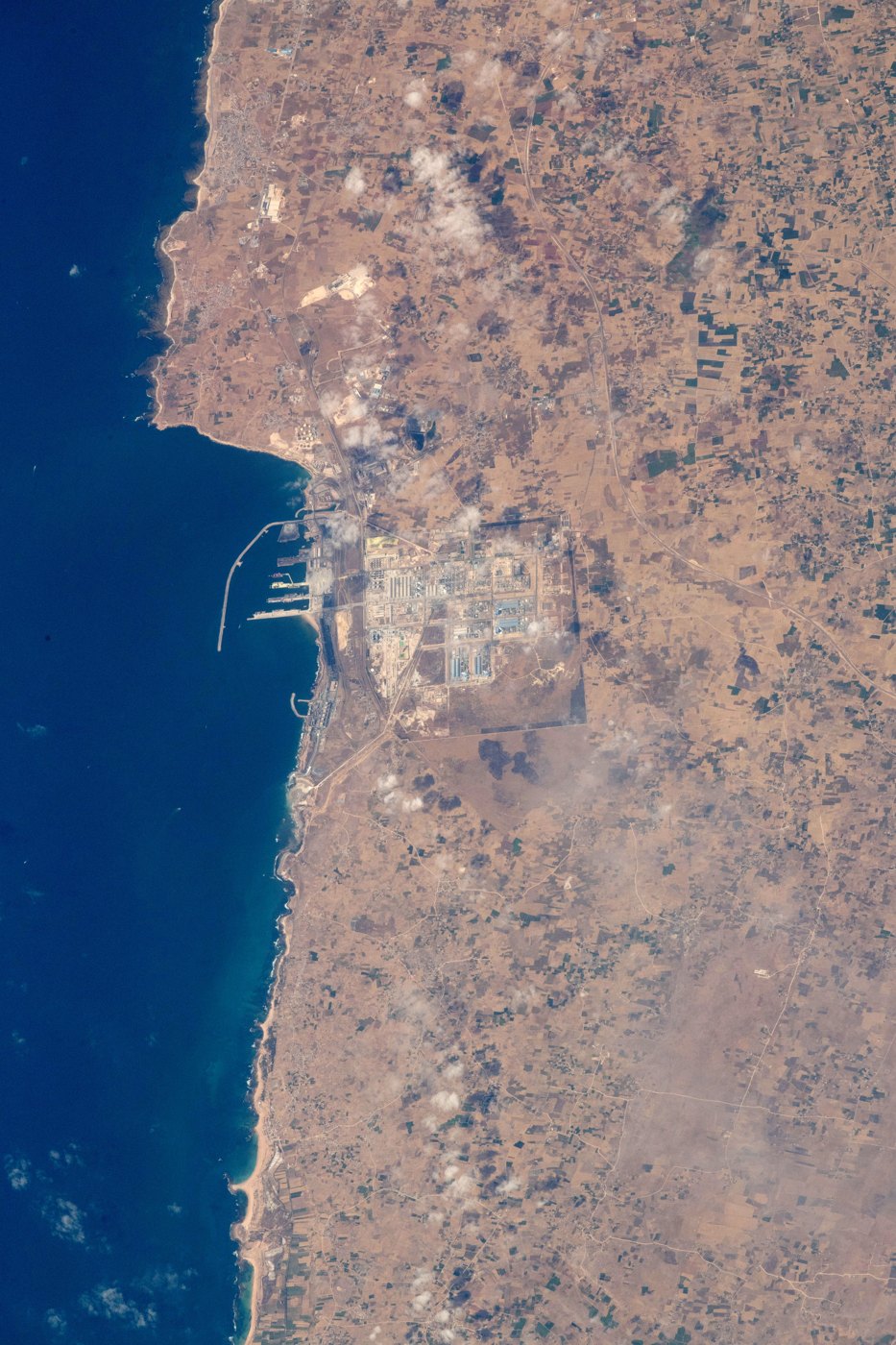
Geography helps explain why the sector is more than a mining story. OCP’s industrial operations overview describes the slurry pipeline carrying phosphate from Khouribga to Jorf Lasfar on the Atlantic coast, and rail connections supplying the Safi processing platform from Youssoufia and Benguerir. Processing and port infrastructure connect inland extraction to overseas customers.

More revenue does not necessarily mean more tonnes
A useful counterexample appears in OCP’s 2025 annual financial report. The company reported a 14.9% fall in phosphoric acid sales revenue even though its acid export selling prices rose 23.1%. It attributed the revenue decline mainly to lower export volumes. A higher price did not guarantee a higher sales total.
The reverse inference is unsafe too. The September 2026 bulletin’s rise in acid receipts does not, by itself, establish that acid volumes rose by the same percentage. Prices, quantities and the mix of products sold need separate evidence. Nor does announced production capacity establish actual output: capacity describes what a facility can produce, not what it did produce in the reporting period.
Export receipts are not company profit
OCP’s full-year consolidated accounts and Morocco’s nine-month trade bulletin have different scopes and periods. Putting their totals side by side is not a like-for-like growth comparison. The company’s accounts also contain an “other” revenue category, another reason not to treat a national three-product export series as its complete business.
Export earnings are gross receipts, not the amount left after inputs and operating costs. OCP linked higher fertiliser export prices in 2025 partly to higher sulphur prices, alongside market demand. That company explanation illustrates why stronger selling prices cannot automatically be read as stronger margins. As with Morocco’s wider trade figures, the incoming value alone does not settle the cost side.
The practical reading rule is to identify the product, the period and the unit before judging the headline. Then check whether the number describes capacity, physical output, gross receipts or profit. Like other external flows, phosphate earnings become more informative when the measures stay separate.
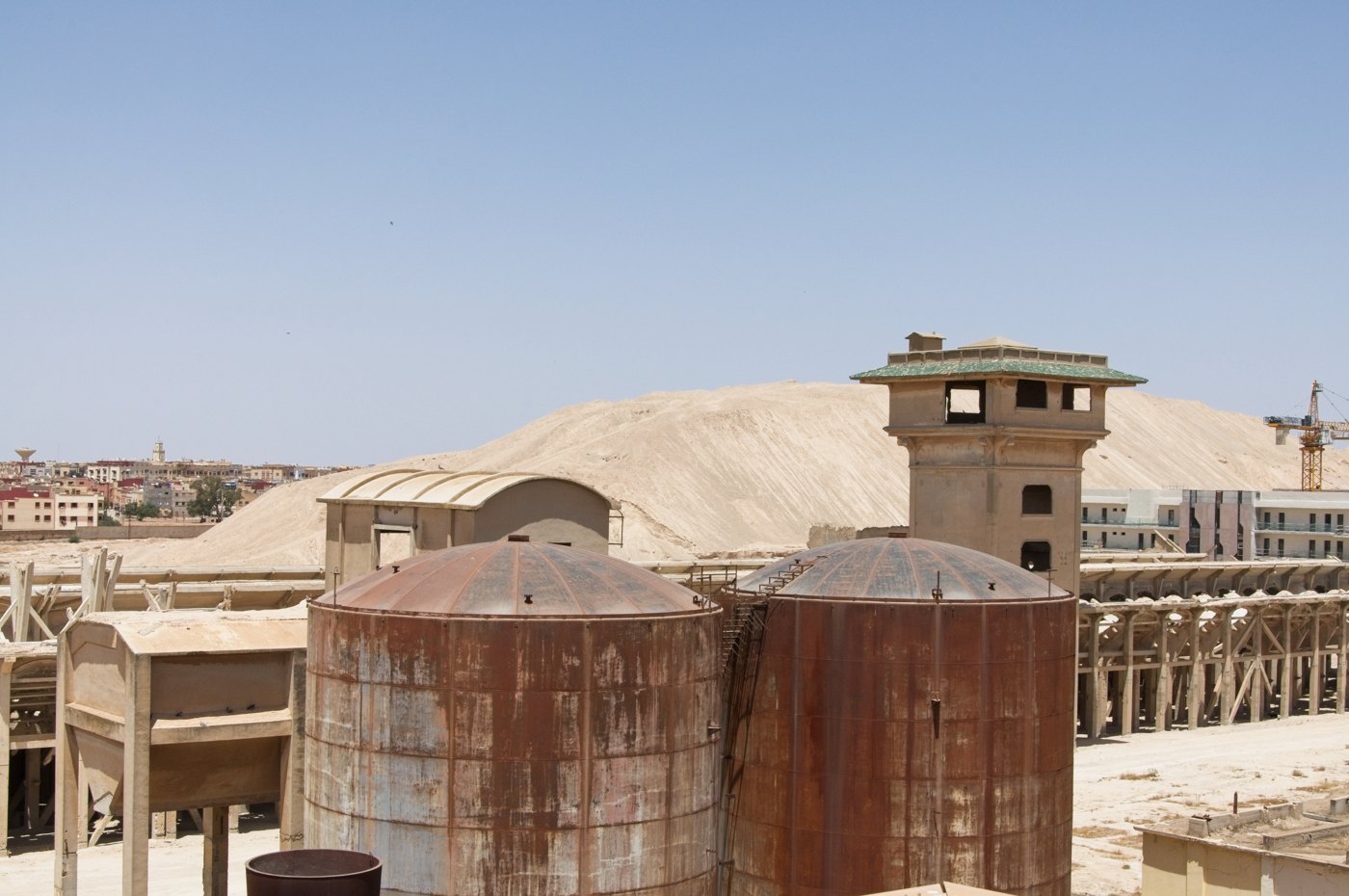
Featured photograph: former phosphate spoil heap and industrial structures in Khouribga, 23 June 2024. Archive context, not evidence of current extraction or output. Photo: Bertrand SOUBEYRAND, Wikimedia Commons, CC BY 4.0. Resized; display may be cropped.
