
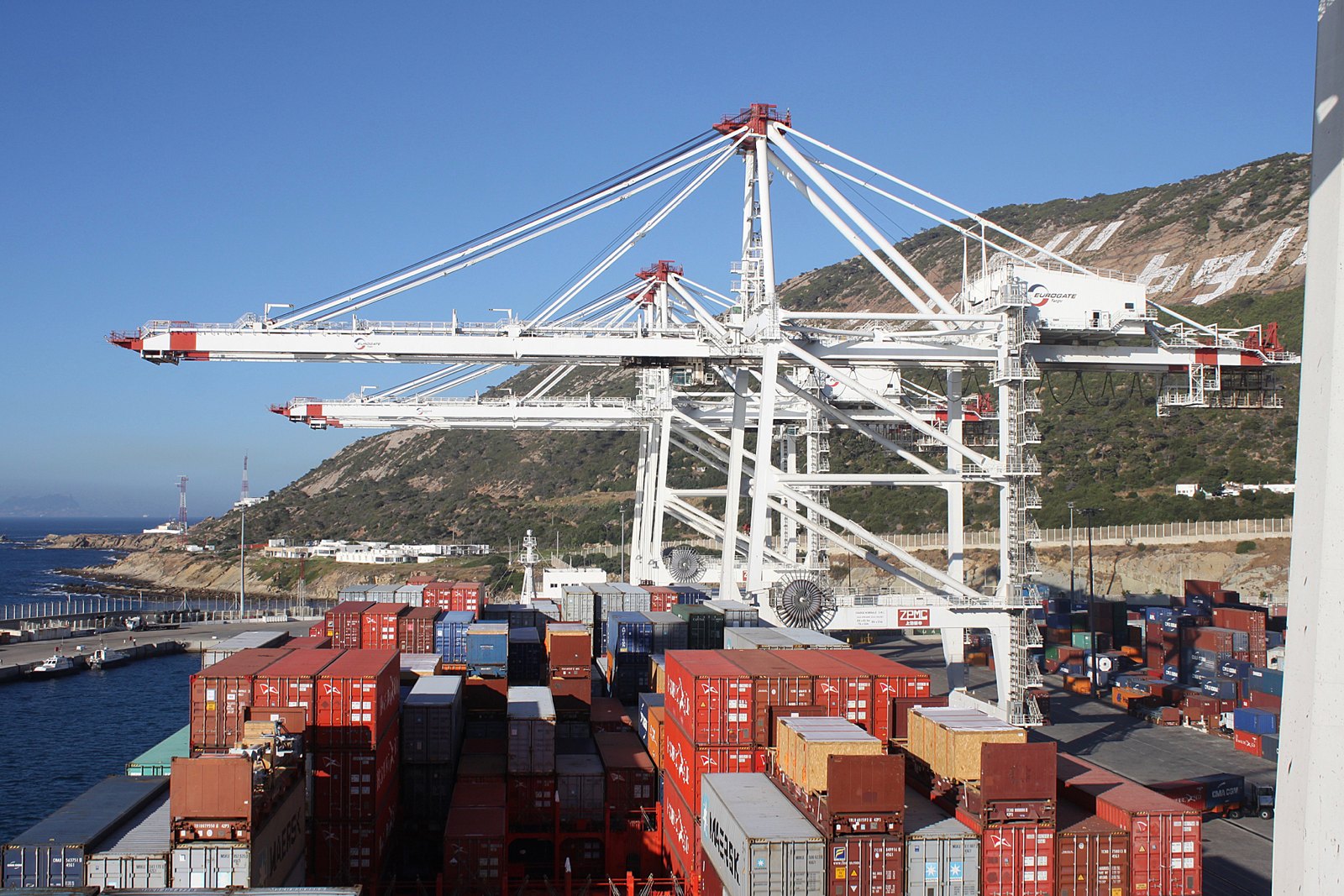

Tanger Med handled more than 11.1 million twenty-foot equivalent units in 2025. That is a measure of a busy container port, not a statement that Morocco exported 11.1 million boxes of goods. Understanding the difference explains both the port’s international importance and the limits of what its headline number says about the national economy.
The port complex sits on Morocco’s Strait of Gibraltar coast, where shipping services connect Europe, Africa and more distant markets. Its work includes transferring containers between ships as well as moving goods into and out of Morocco. Those activities can grow together, but they are not interchangeable.
First, read the unit behind the record
In its 2025 activity report, released on February 2, 2026, Tanger Med Port Authority records 11,106,164 TEUs across its four container terminals, up 8.4% from 2024. It attributes part of that growth to the commissioning of the latest extension of Terminal TC4, operated by APM Terminals. These are completed 2025 results, not a forecast or a count for 2026.
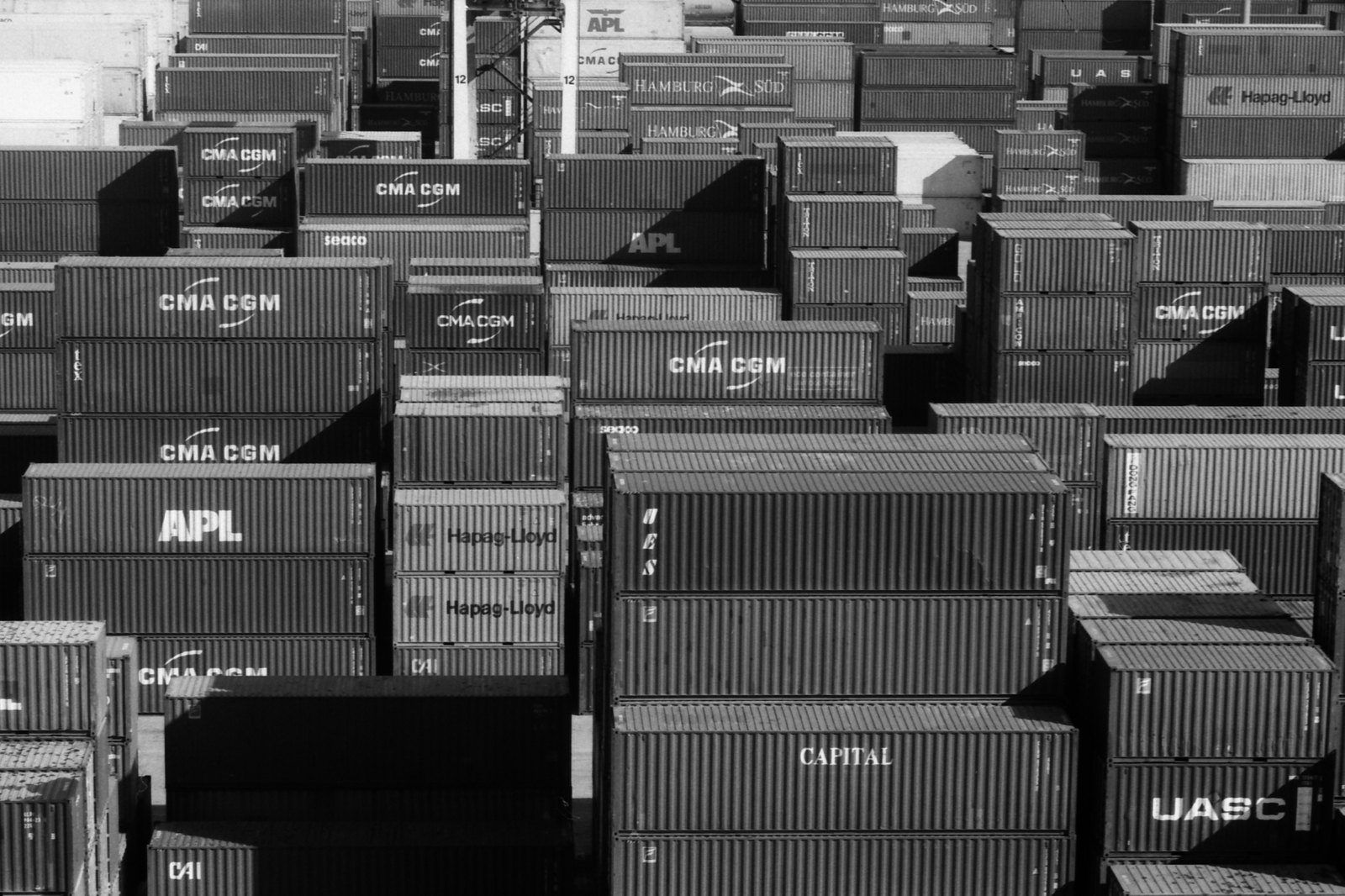
TEU means twenty-foot equivalent unit: a standard measure of container capacity. It is not a count of identical physical boxes. A forty-foot container represents two TEUs. Nor does the unit tell readers the value, origin or contents of the cargo. An empty container still takes up space and needs handling.
Transshipment is a connection, not an export
Transshipment means moving cargo from one ship to another at an intermediate port. Think of a container arriving on one service and leaving on another without becoming a Moroccan import or a Moroccan-made export. Gateway traffic, by contrast, connects the port with the economy behind it through road, rail and logistics networks.
The World Bank’s glossary for UNCTAD-sourced container traffic data explains another distinction: transshipment is counted as two lifts at the intermediate port, once when unloaded and again when loaded onto the next vessel. The indicator also includes empty units. This is the general statistical convention, not a newly calculated breakdown of Tanger Med’s 2025 traffic.
The practical consequence is important. Port throughput measures handling activity. It cannot be converted into Moroccan export sales by multiplying the headline total by an assumed cargo value. Our guide to Morocco’s export gains and wider trade gap examines the separate customs-value side of that story.

The port’s other figures tell different stories
The same 2025 report records 535,203 trucks, up 3.6%, with growth supported by industrial and agri-food exports. It separately reports 526,862 vehicles handled at the two vehicle terminals, down 12%. That vehicle total includes exports from Renault and Stellantis plants as well as vehicles in transshipment.
Container growth and a fall in vehicle handling are therefore compatible. They concern different cargo streams, measured in different units. The report also records 161 million tonnes across all activities. Adding trucks, vehicles, TEUs and tonnes would produce a meaningless total, rather than a fuller picture.
Connectivity matters, but so does the link inland
Tanger Med’s official connectivity overview describes links to more than 180 ports and 70 countries, alongside rail, motorway and expressway connections within Morocco. That network helps explain its role as a transfer point. It is not a guarantee that every route offers the same frequency, price or delivery time.
Transshipment is real economic activity: terminals and services for ships and containers earn business from it. But, as the World Bank glossary cautions, those benefits are not automatically spread across the wider economy. The next questions concern local suppliers, inland transport, manufacturing connections and the reliability of moving goods beyond the quay.
For readers following investment, this is the distinction between a busy facility and evidence about what it creates elsewhere. As our explanation of Morocco’s external financial flows shows, an investment figure also needs project-level evidence before it becomes a claim about factories completed or jobs created.
The stronger reading of Tanger Med’s record is neither to dismiss it nor to call it an export total. Read the unit, separate transfer traffic from Morocco-facing cargo, and compare like with like. The port’s place in global shipping and its contribution to Moroccan production are connected questions, but each needs its own evidence.
Featured photograph: Gantry cranes at Tanger Med, September 4, 2017. Archive context image, not the port’s current layout or evidence of recent volumes. Photo: NAC, Wikimedia Commons, CC BY-SA 4.0. Resized; display crops under the same license.
