

Two inflation figures can be true at once. Morocco’s consumer prices were 0.5% higher than a year earlier in September 2026, while the index rose 1% from August. The first sounds subdued; the second captures a sharper movement over a much shorter period.
For readers trying to understand household costs or the price environment on a visit, the lesson is not to choose whichever number fits a mood. It is to ask what each comparison measures.
The annual rate and the monthly move answer different questions
Bank Al-Maghrib’s September inflation note, drawing on the High Commission for Planning’s data, puts annual inflation at 0.5%, after -0.3% in August. Average inflation over the first nine months remained 0.3%.
Those measures are not interchangeable. A year-on-year rate compares September with the same month in 2025. A monthly rate compares it with August 2026. A year-to-date average smooths several monthly observations. A low average cannot tell you that every recent purchase was unchanged.
Volatile food prices explain much of the monthly increase
The central bank reports a 4.3% monthly rise in volatile food prices. Within that group, poultry and rabbit rose 10.8%, fresh vegetables 5.8%, and eggs 8.8%. Fuel prices increased 2.1%, while regulated tariffs were unchanged from the previous month.
These are movements in specific price categories, not an estimate that every household’s total bill rose by those amounts. The effect on an individual depends on what they buy and how much of their spending goes into each category.
What underlying inflation leaves out
The note also reports underlying inflation of 0.5% both month on month and year on year. This indicator is intended to help read price pressures beyond particularly volatile or regulated components. It is an analytical lens, not a replacement for the headline index or a complete description of anyone’s lived costs.
Monthly increases in fresh meat and education contributed to that underlying movement, according to the bank. The important point is that subdued headline inflation can coexist with pressure in particular parts of a budget.
What international readers should not infer
A national consumer-price index is not a hotel-rate survey, a restaurant menu index or an exchange-rate forecast. It cannot establish the cost of a particular holiday. A traveler still needs current quotes for accommodation, transport and activities.
Nor does one month settle the direction of monetary policy or the full-year outcome. The September note is evidence about measured prices over defined periods. Read on those terms, it offers a more useful picture than either “prices are flat” or “everything is surging”.
The headline is low. The basket underneath it is moving unevenly. Both facts belong in the same account of Morocco’s economy.
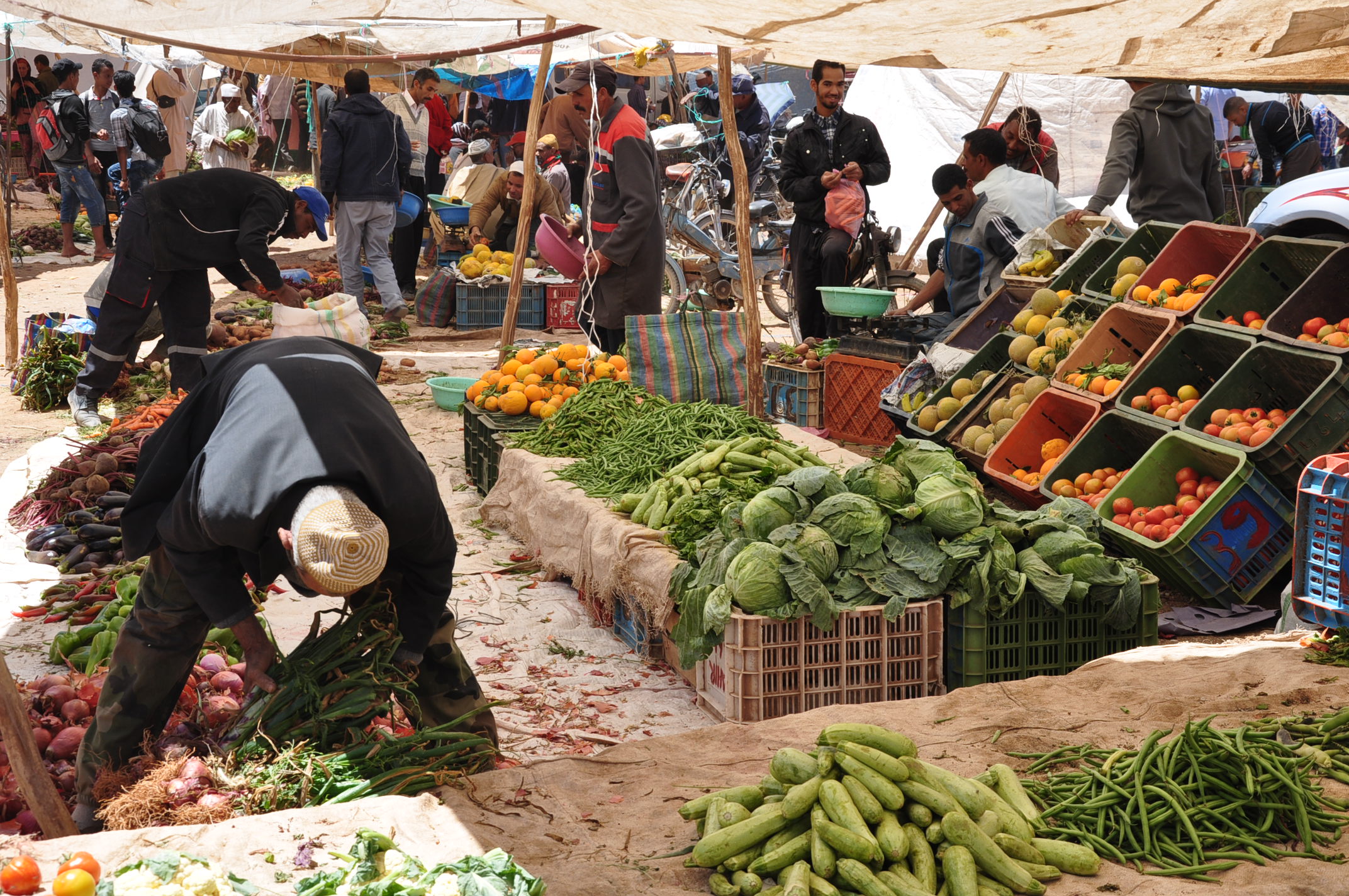
Reported and written from the linked published sources. Featured photograph: Market produce in Skoura, 29 April 2013; this archive image does not document current prices. Photo: Vincent van Zeijst, via Wikimedia Commons. Photograph and display crops licensed CC BY-SA 3.0. Archive photograph.
