

Morocco’s population growth slowed between its 2014 and 2024 censuses, but the number of households rose much faster. The distinction matters for housing: fewer people sharing each household can increase the number of separate domestic units even when the population is growing less quickly. It does not, on its own, tell planners how many homes are missing or developers how many buyers can afford one.
The census in brief
- HCP counted 9.275 million households in September 2024, up from 7.314 million in 2014. That is a ten-year increase of about 26.8%, against about 8.8% for the population in the same official series.
- Average household size fell from 4.6 to 3.9 people. The decline occurred in both urban and rural areas.
- Household formation is a useful housing-planning signal, not a direct measure of a housing shortage, affordability or future sales.
Count the households, not only the people
The December 2024 census results note from the High Commission for Planning, Morocco’s national statistical institution known as HCP, records 9,275,038 households at 1 September 2024, compared with 7,313,806 in 2014. Subtracting the two counts gives 1,961,232 additional households over the decade. This is a net change between censuses, not a count of new homes built.
HCP reports average annual household growth of 2.4%, compared with population growth of 0.85%. The population in its national census series rose from 33,848,242 to 36,828,330. These are 2014-2024 comparisons, not estimates of growth during 2026. Nor should the extra households be divided by the extra inhabitants to estimate the size of newly formed households: the two changes also reflect the reorganisation of existing living arrangements.
In cities, average household size fell from 4.2 to 3.7 people; in rural areas it fell from 5.3 to 4.4. The change is therefore not confined to large-city apartment living. A national average also cannot describe every region or neighbourhood.
A household is not the same as a family or a dwelling
HCP’s census quality report defines a household through shared living arrangements and everyday expenditure, without requiring its members to be related. Its framework distinguishes people, households and dwellings as separate statistical units, and includes specific arrangements for nomadic households and people without shelter. A household count is not simply a count of married couples or occupied apartments.
The composition figures show why the average has fallen. In the census results, one-person households increased from 7.2% of households in 2014 to 11.1% in 2024. Households of two or three people rose from 26.1% to 31.7%, while those with four or more fell from 66.7% to 57.2%. The 11.1% figure is a share of households, not the percentage of all inhabitants living alone.
These totals describe living arrangements. They do not establish whether a particular person chose to live alone, could not afford another arrangement, receives help from relatives elsewhere or needs care. HCP’s 2025 National Family Survey, introduced in April 2026, addresses wider family relationships and solidarity. It is a different exercise; its findings should not be substituted casually for a census comparison.

Smaller households do not automatically mean less crowding
The number of people sharing a household is different from the space available to each person. HCP’s housing-conditions summary says the share of urban households occupying one or two rooms rose from 35.7% in 2014 to 43.5% in 2024. That is an increase of 7.8 percentage points.
It would be a mistake to combine those two national trends into a conclusion that crowding necessarily improved or worsened. Smaller households and fewer rooms can occur together. To assess crowding, the distribution of people across rooms matters; HCP separately defines an occupancy indicator as inhabitants per occupied room. The household-size average cannot replace it.
A planning signal, not a sales forecast
A larger number of smaller households is relevant to the mix of homes and services a place may need. HCP’s September 2025 demographic-policy analysis calls for housing and other public policies to adapt to changing family structures. That is a planning argument, not proof that adaptation has happened.
The missing steps are practical: where households are forming, what accommodation already exists, its condition, and what people can pay. Additional households do not translate one-for-one into additional homes to construct. Existing dwellings, shared accommodation and changes in use complicate that calculation. A shortage estimate needs evidence beyond the household count.
Affordability also requires income and housing-cost information. As with the difference between headline inflation and a household’s expenses, a national average cannot settle an individual budget. Nor does being counted in the census establish eligibility under Morocco’s separate social-aid registration and assessment system.
The census offers a clear finding without a property-market prediction: Morocco added households considerably faster than people between 2014 and 2024. Housing analysis that follows population growth alone misses a documented change in how people live together.
Sources and method: This is an analysis of published census results and definitions, not interviews with households or a new housing-demand survey. Percentage changes and differences were independently calculated from the linked HCP figures. The census benchmark is September 2024, not a current population estimate. AI assisted research, translation, drafting and editorial review; factual claims were checked against the linked sources.
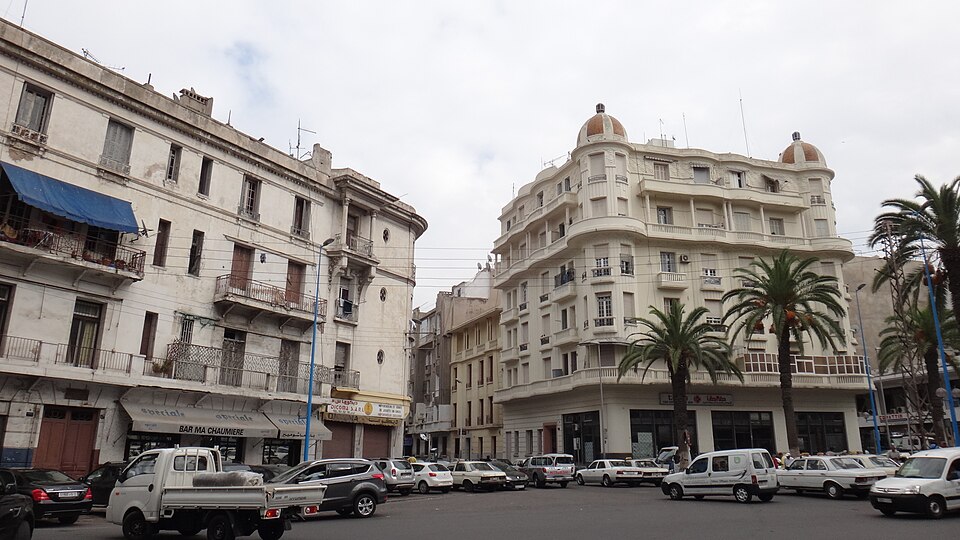
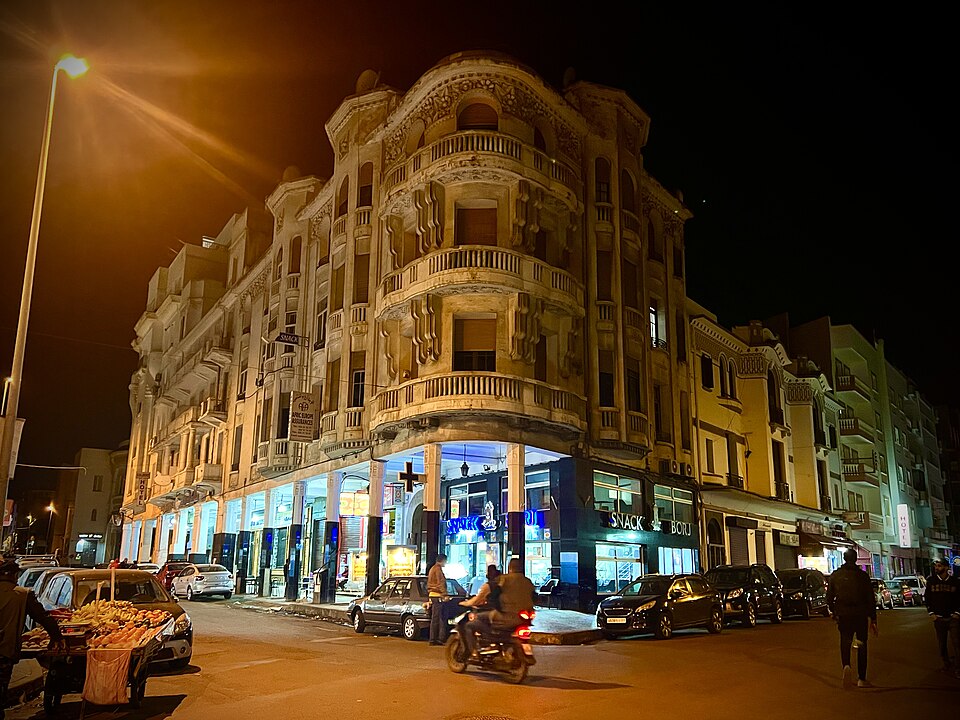
Lead photograph: Casablanca buildings and street, 26 September 2014. Archive context, not evidence of present housing conditions, prices or the occupants’ circumstances. Photo: karel291, via Wikimedia Commons, CC BY 3.0. Reduced-resolution reproduction; no generative changes.
