

Morocco’s House of Representatives rejected a Justice and Development Party (PJD) amendment on Saturday that would have removed livestock and meat import exemptions from the 2027 finance bill.
The amendment received 77 votes in favor, with 171 against and 40 abstentions, Walaw and Nichan reported. The vote took place during the plenary session considering the first part of finance bill No. 60.26.
The vote preserves the government’s proposed livestock and meat import exemptions in the House text at this stage. It does not enact the measure: the finance bill still has to complete its parliamentary passage.
Livestock and meat import exemptions in the bill
Article 3 of the Finance Ministry’s bill would add live domestic cattle, sheep, goats and camelids, as well as fresh, chilled or frozen meat and offal from those species, to the customs-duty exemptions in Article 164 of the Customs and Indirect Tax Code from January 1, 2027.
Article 7 would add the same products to the import VAT exemptions in Article 123-62 of the General Tax Code. The government text does not set an end date for either exemption.
Why the PJD sought to remove it
Idriss El Azami El Idrissi, head of the PJD parliamentary group, argued that an open-ended exemption lets imports continue without a clear timeframe while failing to lower retail meat prices or rebuild the national herd. He described the policy as the “destruction of the national herd,” according to the Arabic reports.
The PJD group estimated the customs and tax expenditure from these exemptions between 2022 and October 2026 at 37 billion dirhams, Assahifa reported. That figure is the parliamentary group’s estimate, not a government audit.
Fouzi Lekjaa, Morocco’s minister of economy and finance and public performance, rejected the description of the measure as permanent. He called it an open measure that would remain while conditions in the livestock sector require it, according to Walaw and Nichan.
Lekjaa said import policy should be managed alongside market supply, herd rebuilding and import oversight. He also argued that short exemptions renewed by successive decrees could recreate unequal access to import opportunities and encourage monopoly practices.
The government’s defense
Hicham El Mehajri, the Authenticity and Modernity Party MP who chairs the House Finance and Economic Development Committee, defended the exemption. He said year-round imports could broaden competition among importers and argued that reducing meat prices and rebuilding the national herd were related but separate policy objectives, Nichan reported.
The debate comes as households face renewed food-price pressure. Morocco’s High Commission for Planning said the national consumer-price index for “meats” rose 4.3% between August and September 2026. The commission’s monthly note reports meat as one category and does not separate imported from locally produced meat.
For the bill’s broader social-spending and tax context, read Sada Journal’s earlier analysis of Morocco’s 2027 budget.
Saturday’s decision settles only the PJD amendment in the House’s first reading. Lawmakers are continuing work on the first part of the bill before considering sectoral budgets, the second part and the bill as a whole. If adopted by the House, the finance bill then moves to the House of Councillors.
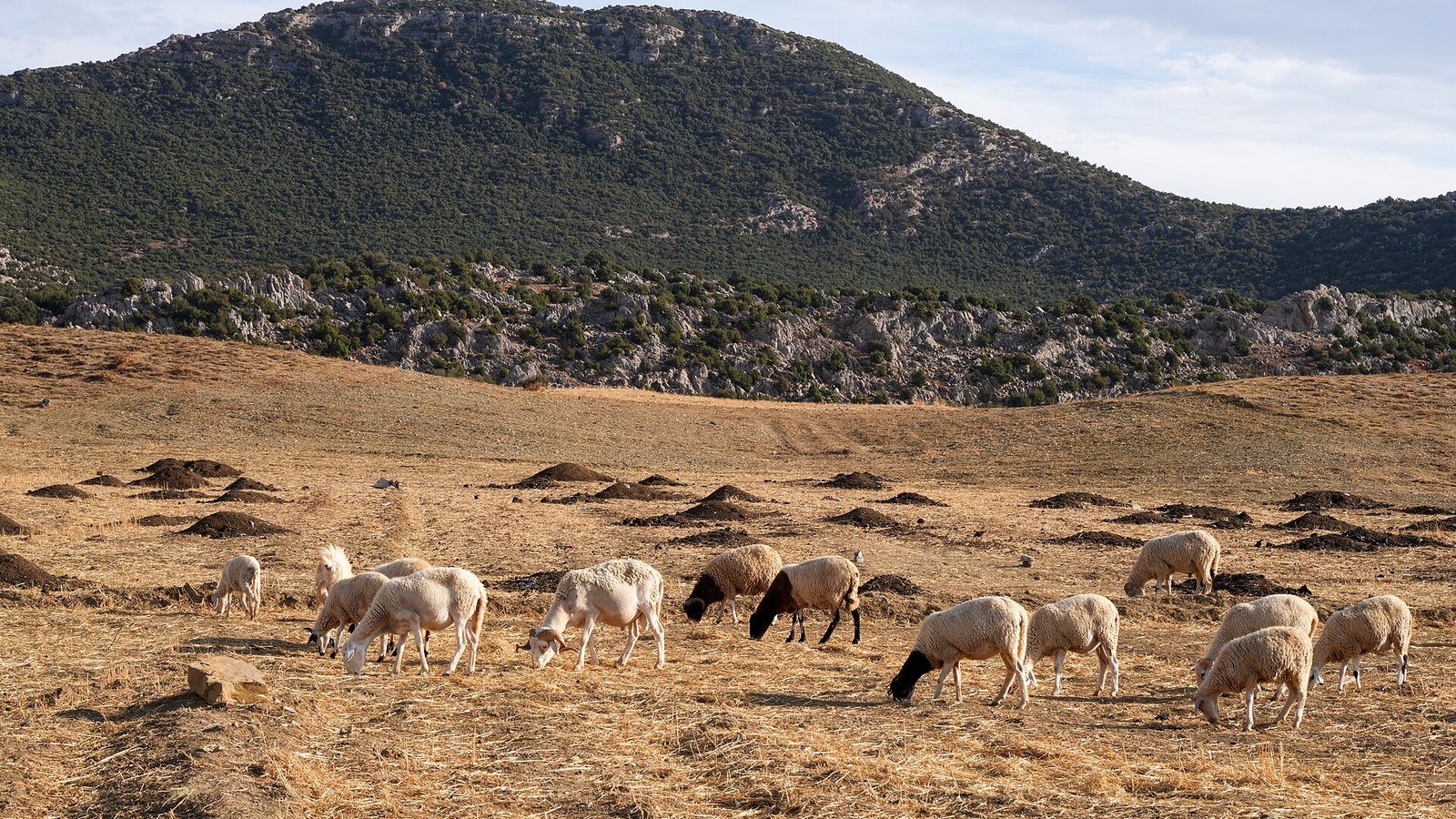
Photo: Sheep grazing in Daya Chiker, Taza Province, Morocco, November 2025. Photo: Timothy A. Gonsalves / Wikimedia Commons, CC BY-SA 4.0; resized and cropped.
